

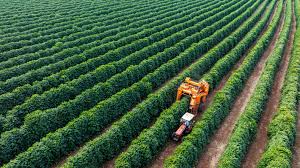
Agricultural analysts believe that the large untapped farmland potential in Brazil could significantly influence global agricultural markets in the coming years. As the country continues to expand its agricultural frontier, experts say the increase in cropland may affect international supply levels and potentially reshape prices for major commodities such as soybeans, corn, and other staple crops.
Brazil is already one of the world’s leading agricultural producers and exporters, particularly in crops like soybeans and maize. With vast tracts of land still available for cultivation, the country has the potential to further expand its agricultural output. Analysts suggest that improvements in farming technologies, infrastructure development, and rising global demand for food and animal feed are encouraging continued expansion of crop production.
A major driver behind this growth is the global demand for soybeans used in livestock feed and vegetable oil production. Countries with large livestock industries rely heavily on soybean imports, and Brazil has emerged as a key supplier in the global market. Similarly, rising demand for corn as a feed grain and biofuel input is also pushing farmers to increase cultivation.
If Brazil significantly expands its agricultural area, global supply of these crops could increase, which may place downward pressure on international prices. Increased production from Brazil could intensify competition among exporting countries and alter trade patterns in major agricultural markets.
At the same time, experts note that the expansion of farmland comes with several challenges. Infrastructure improvements such as roads, storage facilities, and transportation networks will be essential to move crops efficiently from farms to ports. Environmental concerns are also frequently raised, as agricultural expansion must balance productivity growth with conservation of natural ecosystems.
In addition, global commodity markets are influenced by several factors including climate conditions, government policies, and international trade dynamics. While Brazil’s agricultural expansion has the potential to increase global food supply, its overall impact will depend on how quickly new land is developed and how global demand evolves.
Market observers say that if Brazil continues to expand its agricultural capacity while maintaining productivity gains, it could further strengthen its position as a major force in global agriculture. The country’s growing role in crop production is expected to remain an important factor shaping international commodity markets in the years ahead.


 By
By


 ee88casino says:








