Global agricultural markets are showing signs of renewed movement as the Food and Agriculture Organization (FAO) reported a rise in its global Food Price Index in February 2026. This marks the first increase after five consecutive months of decline, indicating a potential shift in international food market trends.
According to the FAO, the increase in the index was largely driven by higher global prices for sugar, dairy products, and vegetable oils. Market analysts believe that stronger international demand combined with supply limitations in certain commodities has contributed to the recent price recovery. Despite this rise, overall global food prices remain lower than the peak levels observed in previous years, suggesting that markets are gradually stabilizing even as the agriculture sector continues to face climate and supply-chain challenges.
The FAO has also projected a positive outlook for global grain reserves. Estimates suggest that global cereal stocks could reach nearly 940 million tonnes by the end of the 2026 season. The expected increase is supported by higher wheat and coarse grain inventories in major producing regions, including China, the European Union, Argentina, India, and Ukraine. Higher stock levels are expected to provide a buffer against supply disruptions and help maintain stability in global grain markets.
In another significant development, the United Nations has adopted new agricultural data guidelines under the FAO’s World Programme for the Census of Agriculture (WCA 2030). The initiative aims to improve the collection and analysis of farm-level data worldwide. Better agricultural data is expected to help governments design more effective farming policies, track productivity trends, and strengthen long-term food security planning.
Meanwhile, climate resilience remains a major priority for agricultural policymakers and development organizations. Experts are increasingly promoting expanded crop-insurance programs, particularly in African countries, to help farmers manage the risks associated with extreme weather events such as droughts and floods. Strengthening crop insurance systems is considered an important step toward protecting farmer incomes and encouraging investments in sustainable agricultural practices.
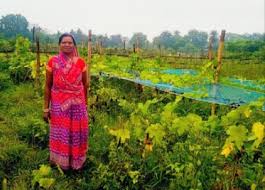
Another notable highlight for the year is the recognition of 2026 as the International Year of the Woman Farmer, an initiative supported by global agricultural organizations to acknowledge the vital role women play in food production and rural economies. Efforts under this initiative are focused on improving women farmers’ access to land ownership, financial services, modern technology, and agricultural training.
Overall, the global agriculture sector in 2026 is being shaped by several key trends, including stabilizing food prices, improved international collaboration on agricultural data systems, and stronger emphasis on climate-resilient and inclusive farming practices. Experts believe that these developments could play a crucial role in strengthening global food systems and ensuring sustainable agricultural growth in the coming years.

 By
By