Global food prices recorded their first increase in six months, signaling renewed pressure in international agricultural markets. According to the latest report from the Food and Agriculture Organization (FAO), the FAO Food Price Index rose to 125.3 points in February 2026, driven mainly by higher prices of cereals, meat, and vegetable oils.
The FAO Food Price Index, which tracks monthly changes in the international prices of a basket of commonly traded food commodities, had been declining for several months before this latest uptick. Analysts say the increase reflects growing concerns about global supply risks and changing weather conditions in key crop-producing regions.
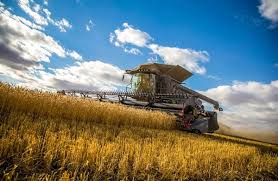
One of the biggest contributors to the rise was the global wheat market. Wheat prices climbed significantly amid concerns over unfavorable weather patterns affecting major exporting regions. Weather-related risks in parts of Europe, the United States, and the Black Sea region have raised fears of lower production and tighter supplies in the coming months.
In addition to cereals, vegetable oil prices also increased during February. The rise was linked to stronger global demand and supply uncertainties in major palm and soybean oil producing countries. These factors pushed international edible oil markets upward after a relatively stable period earlier in the year.
Meanwhile, meat prices also contributed to the overall increase in the index. Higher demand in international markets, combined with supply constraints in some exporting countries, supported the upward movement in prices.
Agricultural economists note that global food markets remain highly sensitive to weather conditions, geopolitical developments, and trade dynamics. Any disruption in major producing regions can quickly influence international prices, particularly for staple commodities such as wheat, maize, and vegetable oils.
Despite the latest increase, FAO experts emphasize that global food prices are still below the peak levels seen during previous supply crises. However, the current rise highlights the ongoing volatility in agricultural markets and the importance of stable production and trade flows.
For farmers, traders, and policymakers, the February price increase serves as a reminder that climate risks and supply uncertainties continue to shape global food security trends. Experts will closely monitor weather developments and crop forecasts in the coming months to assess whether this increase marks the beginning of a new upward trend or a short-term fluctuation in global food prices.

 By
By