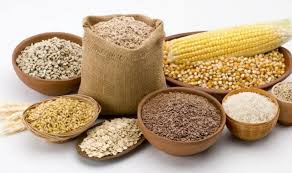
The latest global outlook for grains has turned more positive, with new data showing record cereal production and rising international stock levels. Updated estimates from the Food and Agriculture Organization indicate that global grain supplies are improving, offering short-term relief to food-importing nations concerned about market volatility.
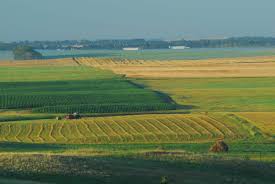
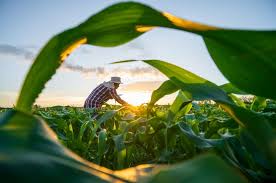
According to the agency’s recent assessment, worldwide cereal output — including wheat, maize, and rice — has reached historic highs. Favorable weather conditions in several major producing regions, combined with improved crop management and expanded planting areas, have supported higher-than-expected harvests. These gains have contributed to a noticeable build-up in global carryover stocks.
Rising inventories are particularly significant after years of supply uncertainty driven by pandemic disruptions, geopolitical tensions, and climate-related production shocks. Stronger stock levels are expected to cushion markets against sudden supply interruptions and moderate extreme price fluctuations in the near term.
Wheat production has shown resilience in key exporting countries, while maize output has benefited from improved yields in both the Americas and parts of Asia. Rice production is also forecast to remain stable, helping maintain adequate supplies for staple food markets in developing economies.
However, analysts caution that while aggregate stocks are rising globally, distribution remains uneven. Some countries continue to rely heavily on imports and remain exposed to currency volatility and freight cost fluctuations. Moreover, climate variability remains an underlying risk that could quickly alter production prospects in future seasons.
Despite these structural challenges, the improved grain outlook is easing immediate food security concerns. Higher global stocks typically provide a buffer against supply chain disruptions and offer policymakers greater flexibility in managing domestic food price stability.
Market observers note that continued investment in climate-resilient agriculture, efficient storage systems, and transparent trade policies will be essential to sustain this positive momentum. For now, record cereal production and stronger global grain reserves are helping stabilize the international food system and reduce short-term supply anxieties.


 By
By