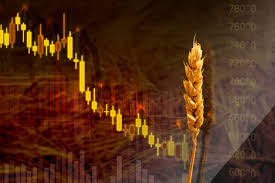
Global grain trading companies are facing renewed scrutiny from environmental groups and sustainability experts over the credibility of their environmental commitments, particularly those linked to deforestation and climate protection. While leading traders have publicly pledged to eliminate deforestation from their supply chains, critics argue that progress on the ground remains slow and uneven.
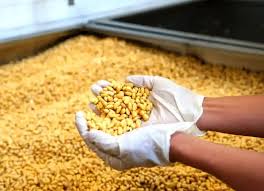
Environmental organizations point to Brazil as a key area of concern. The country is one of the world’s largest exporters of soybeans and maize, crops that are central to global grain trade but also closely linked to deforestation in the Amazon and Cerrado regions. According to activists, recent policy shifts and weaker enforcement of environmental safeguards in Brazil have raised doubts about whether voluntary corporate commitments are sufficient to protect fragile ecosystems.
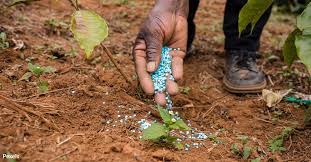
Major grain traders have responded by highlighting their investments in traceability systems, satellite monitoring, and partnerships with farmers to promote responsible land use. Several companies have announced timelines to achieve deforestation-free supply chains and claim they are working with local stakeholders to support sustainable agriculture without compromising farmer livelihoods.
However, environmental groups argue that many of these pledges lack transparency, clear milestones, and independent verification. They warn that without stricter accountability mechanisms and stronger government oversight, deforestation linked to agricultural expansion could continue despite corporate assurances.
Experts note that the issue goes beyond individual companies and reflects broader challenges in balancing global food demand with environmental protection. As climate change intensifies, pressure is mounting on grain traders to demonstrate measurable outcomes rather than rely on long-term promises.
The debate has also attracted the attention of investors and consumers, many of whom are increasingly factoring sustainability performance into their decisions. Analysts suggest that stronger reporting standards and legally binding regulations could play a critical role in ensuring that green pledges translate into real environmental benefits.
As global agriculture remains under pressure to feed a growing population, the coming years are likely to test whether sustainability commitments by major grain traders can deliver meaningful protection for forests while maintaining stable food supplies.


 By
By