A growing body of analysis is drawing attention to the global public-health consequences of intensive factory farming, highlighting its contribution to reduced healthy human life expectancy worldwide. The findings have renewed debate over the long-term sustainability of current livestock production systems and their broader impact on human health.
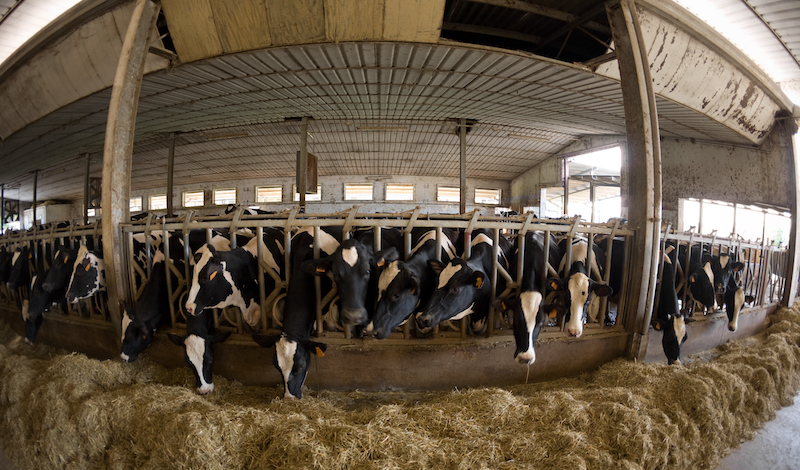
Factory farming, characterized by high-density confinement of animals and large-scale industrial production, has become a dominant model for meeting global demand for meat, dairy, and eggs. While the system has improved efficiency and lowered food prices, health experts warn that these gains come with significant hidden costs.
One of the primary concerns is the widespread use of antibiotics in intensive livestock operations. Antibiotics are often administered routinely to prevent disease in crowded conditions, accelerating the development of antimicrobial resistance. This resistance reduces the effectiveness of life-saving medicines in humans, increasing the risk of infections that are harder and more expensive to treat.
Environmental pollution linked to factory farming also poses serious health risks. Large volumes of animal waste can contaminate air, soil, and water sources, releasing harmful pathogens and pollutants. Communities living near industrial livestock facilities report higher rates of respiratory illnesses, cardiovascular problems, and other chronic health conditions. These environmental exposures contribute to a decline in overall quality of life and long-term health outcomes.
Dietary impacts are another key factor. The expansion of industrial livestock systems has supported increased consumption of processed and red meats, which are associated with higher risks of heart disease, certain cancers, and metabolic disorders. Public-health researchers note that dietary patterns shaped by mass meat production can have population-wide consequences, particularly in countries undergoing rapid urbanization and income growth.
The analysis emphasizes that these combined effects—antibiotic resistance, environmental pollution, and diet-related diseases—translate into years of healthy life lost globally. While the burden is unevenly distributed, low-income communities and countries with weaker regulatory frameworks often face the greatest risks.
Experts argue that reforming livestock systems could yield substantial health benefits. Proposed measures include improved animal welfare standards, reduced reliance on antibiotics, better waste management, and greater support for diversified and sustainable farming models. Encouraging balanced diets and alternative protein sources is also seen as a critical step.
As governments and international organizations confront rising healthcare costs and environmental pressures, the health implications of factory farming are increasingly difficult to ignore. Addressing these challenges may be essential not only for protecting ecosystems, but also for safeguarding long-term human health worldwide.


 By
By