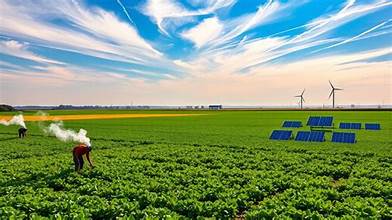
Nestlé has announced a series of new global partnerships aimed at accelerating the adoption of regenerative agriculture, signalling a major commitment to transforming food production systems and building climate-resilient supply chains. The company is collaborating with leading conservation groups and youth-focused organisations to promote soil health, biodiversity, water stewardship and farmer prosperity while actively engaging the next generation of agricultural leaders.
The move comes as global food systems face mounting pressure from climate change, resource degradation and rising input costs. Regenerative agriculture—which includes practices such as cover cropping, diversified rotations, minimal soil disturbance, agroforestry and enhanced carbon sequestration—has increasingly gained support as a viable path toward long-term sustainability. Nestlé’s new partnerships are expected to scale these practices across multiple continents, especially in regions where climate risks and livelihood vulnerabilities are growing.
According to Nestlé officials, the initiative is designed not only to support farmers already transitioning to regenerative methods but also to create opportunities for youth engagement in agriculture. Collaborations with youth-led organisations will focus on training, education and leadership development to ensure that young farmers are equipped with modern, climate-smart competencies. This emphasis is critical at a time when many countries face an ageing farming population and declining interest among rural youth in agricultural careers.
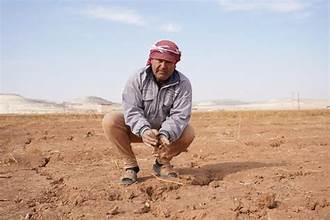
The partnerships also include joint projects with global conservation groups to protect natural ecosystems and restore degraded landscapes around key agricultural zones. These projects will prioritise water conservation, soil restoration and biodiversity enhancement—areas increasingly recognised as essential for both ecological stability and food security. Nestlé has stated that regenerative farming practices can play a decisive role in reducing greenhouse gas emissions across its supply chain, aligning with the company’s broader climate commitments.
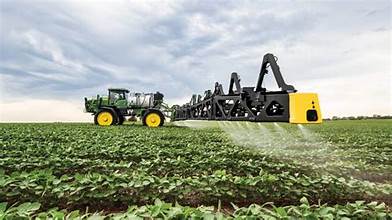
Industry analysts note that Nestlé’s strategic collaborations reflect a broader trend among multinational food companies seeking to secure stable and sustainable raw material supplies. Many firms are recognizing that long-term business resilience depends heavily on the health of agricultural ecosystems. By investing in regenerative practices and community partnerships, companies hope to buffer themselves against climate shocks, supply disruptions and rising production costs.
Early pilot projects under Nestlé’s initiative have demonstrated measurable improvements in soil structure, water retention and carbon storage. Farmers participating in these programmes have reported enhanced crop resilience, reduced dependency on chemical inputs and improved long-term productivity. The company aims to expand these models to thousands of farms globally through shared knowledge platforms, joint research and localised training hubs.
Global experts emphasise that partnerships of this scale are essential to accelerating the widespread adoption of regenerative agriculture. No single stakeholder—whether a corporation, research institution or government—can transform the food system alone. Collaborative frameworks that combine technical expertise, financial support and local engagement are widely viewed as the most effective mechanism to drive meaningful change.
As Nestlé advances its regenerative agriculture agenda, its global collaborations are expected to influence sustainability strategies across the agri-food sector. With climate impacts intensifying and global demand for resilient food systems growing, the company’s latest initiative reinforces the increasingly central role of regenerative practices in ensuring long-term agricultural viability.


 By
By