A new international analysis has issued a stark warning: if global temperatures rise by 2°C above pre-industrial levels, the number of countries facing severe food insecurity could nearly triple. The findings highlight mounting concerns about the vulnerability of global food systems, particularly in low-income nations already struggling with climate-related stress.
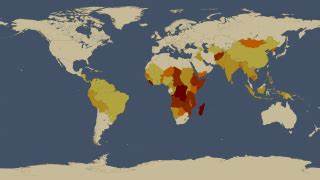
According to the report, a 2°C temperature increase would significantly intensify heat stress, alter rainfall patterns, and accelerate the frequency of extreme weather events. These disruptions would directly affect crop yields, livestock productivity, and fisheries — the three pillars of global food production. Regions highly dependent on rain-fed agriculture, such as parts of Sub-Saharan Africa and South Asia, are expected to be among the hardest hit.
The analysis shows that climate-driven disruptions would lead to reduced agricultural output, more volatile food prices, and heightened competition for dwindling water resources. Low-income countries, many of which lack robust irrigation systems, cold-chain infrastructure, and financial buffers, are projected to bear the brunt of the impact.
In addition to production losses, climate change is likely to exacerbate malnutrition and push millions closer to hunger, especially in nations with rapidly growing populations. Increasing reliance on food imports could place further strain on limited foreign exchange reserves, weakening national economies and reducing access to affordable staples.
The report calls for aggressive global mitigation efforts alongside targeted adaptation strategies. These include investments in climate-resilient crops, improved water management, weather-indexed insurance, and stronger social protection systems to shield vulnerable communities.
Researchers emphasize that the window to act is narrowing. Without decisive action to curb emissions and strengthen food system resilience, a 2°C world could reshape global hunger dynamics placing unprecedented pressure on countries least equipped to respond.


 By
By