In a major step to protect the nation’s agricultural infrastructure and food supply, the U.S. Department of Agriculture (USDA) today unveiled the National Farm Security Action Plan (NFSAP) a comprehensive strategy aimed at boosting farm-level security, biosecurity, and resilience across the country.
The plan outlines a coordinated federal approach to address a wide range of threats facing the U.S. agricultural sector, including foreign interference, cyberattacks, biological hazards, climate-related disruptions, and economic instability.
Safeguarding the Food Chain
Speaking at a press briefing in Washington, Agriculture Secretary Tom Vilsack emphasized the importance of securing the entire food production system — from seed to shelf. “Food security is national security,” Vilsack stated. “This action plan is about ensuring that America’s farms remain safe, resilient, and self-reliant in the face of emerging threats.”
The NFSAP includes strategic measures such as enhanced farm surveillance systems, tighter screening of foreign investments in farmland, protection of agri-tech systems from cyber intrusions, and rapid response mechanisms for animal disease outbreaks and crop failures.
Key Features of the Plan:
- Land Ownership Protections: Tighter regulations on land acquisitions by foreign entities deemed a national security risk.
- Cyber Defense Support: Funding and training for farmers to secure data systems, GPS-guided machinery, and digital irrigation controls.
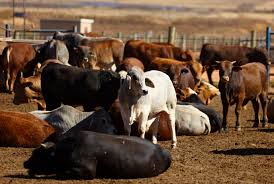
- Biosecurity Upgrades: Mandatory protocols for disease prevention in livestock and poultry operations.
- Emergency Response Framework: Coordination with state and local agencies to respond to droughts, floods, pest invasions, and supply chain disruptions.
- Grants and Incentives: Financial support for farmers who implement approved safety and biosecurity upgrades.
Bipartisan Support and Industry Praise
The initiative has received strong bipartisan support in Congress, with lawmakers from both rural and urban districts highlighting the importance of agriculture in national resilience planning.
Senator Debbie Stabenow (D-MI), Chair of the Senate Agriculture Committee, called the plan “a necessary blueprint for future-proofing America’s farms.”
Agricultural groups also welcomed the move. “Our farmers are on the front lines of everything from food production to environmental stewardship. This plan gives them the tools to protect what matters most,” said Zippy Duvall, President of the American Farm Bureau Federation.
Challenges Ahead
While the plan has been broadly praised, some experts caution that its success will depend on timely implementation and adequate funding. Small and mid-sized farms, in particular, may face challenges adopting new technologies and meeting regulatory benchmarks.
The USDA has committed to a phased rollout of the program starting later this year, with initial funding allocated through the 2025 Farm Bill.
A Turning Point for Agricultural Security
The unveiling of the National Farm Security Action Plan marks a turning point in how the U.S. views its agricultural sector not just as an economic engine, but as a strategic asset vital to national well-being.
As global threats evolve, the plan signals a firm commitment to defending the heartland — and the millions of Americans who depend on it.

 By
By