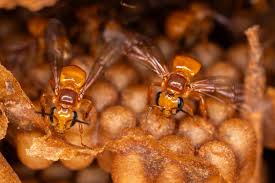
In a landmark decision for environmental protection, stingless bees in the Peruvian Amazon have been granted legal rights, marking a world-first move to safeguard one of nature’s most vital pollinators. This unprecedented step recognizes the ecological importance of stingless bees and establishes new legal mechanisms to protect them from escalating threats such as pesticide use, deforestation, and climate change.
Stingless bees play a critical role in maintaining biodiversity across the Amazon rainforest. Unlike their better-known honeybee counterparts, these native bees are uniquely adapted to tropical ecosystems and are responsible for pollinating a wide variety of wild plants and food crops. Their activity supports forest regeneration, food security for local communities, and the resilience of ecosystems that are essential in regulating the global climate.
The legal recognition grants stingless bees the right to exist, thrive, and fulfill their ecological functions. It also obliges government authorities and private actors to consider their welfare in land-use planning, agricultural practices, and development projects. This shift moves conservation beyond voluntary protection, embedding ecological responsibility into enforceable law.
Indigenous communities, scientists, and environmental advocates were central to advancing this initiative. For generations, Indigenous peoples in the Amazon have practiced meliponiculture—the sustainable management of stingless bees—valuing them not only for pollination but also for their medicinal honey and cultural significance. The new legal framework validates this traditional knowledge and strengthens community-led conservation efforts.
Environmental experts view the decision as a potential catalyst for broader change. By extending legal rights to a non-human species based on its ecological value, Peru is challenging conventional approaches to environmental law and offering a new model for biodiversity protection. Similar rights-based frameworks have already been applied to rivers and forests in several countries, but this is the first time pollinating insects have received such recognition.
As biodiversity loss accelerates worldwide, the Peruvian Amazon’s protection of stingless bees sends a powerful and hopeful message. It demonstrates that legal systems can evolve to reflect scientific understanding and ethical responsibility toward nature. If adopted elsewhere, this approach could significantly strengthen global efforts to protect pollinators—small creatures with an outsized impact on the planet’s future.


 By
By