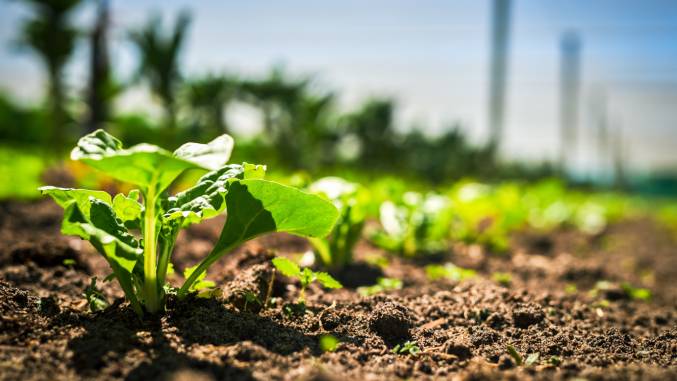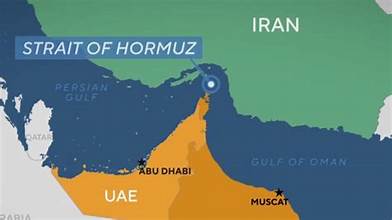
A potential disruption in the Strait of Hormuz is raising serious concerns for the global agricultural sector, as nearly 30 percent of the world’s fertilizer trade passes through this critical shipping route. Any instability or blockage in this narrow waterway could severely impact the supply of key agricultural inputs, leading to sharp price increases and widespread consequences for farmers across the globe.
The Strait of Hormuz serves as a vital corridor for the transportation of not only crude oil but also essential commodities like fertilizers, particularly from major producers in the Middle East. Countries in this region are key exporters of nitrogen, phosphate, and potash-based fertilizers, which are indispensable for maintaining soil fertility and ensuring high crop yields. A disruption in shipments through this route would create immediate supply shortages in international markets.
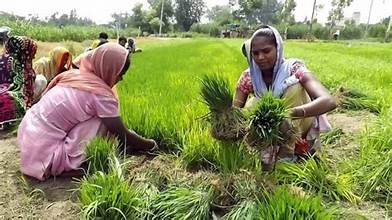
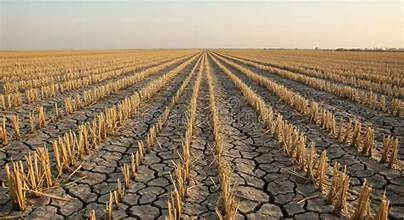
Industry experts are already warning that fertilizer prices could rise by 15 to 20 percent in 2026 if the situation worsens. Such an increase would significantly raise input costs for farmers, many of whom are still recovering from previous economic and climate-related challenges. Higher fertilizer prices often lead to reduced application rates, as farmers try to manage costs, but this can ultimately result in lower crop productivity and diminished harvests.
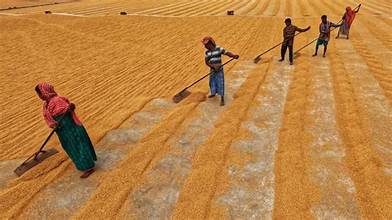
The impact of this crisis would not be limited to agricultural producers alone. As fertilizer costs rise, the effect typically cascades through the entire food supply chain. Lower yields combined with higher production expenses can push up the prices of staple crops such as wheat, rice, and maize. This, in turn, contributes to food inflation, making essential commodities less affordable for consumers, particularly in developing nations.
Import-dependent countries are expected to be the hardest hit, as they rely heavily on stable global supply chains for their fertilizer needs. Any delays or disruptions in shipments could force governments to seek alternative suppliers, often at higher costs, or tap into limited reserves. This could strain national budgets and increase vulnerability to food shortages.
Farmers and policymakers are closely monitoring the situation, exploring strategies such as diversifying supply sources, promoting the use of organic alternatives, and improving nutrient-use efficiency. However, these solutions may take time to implement and may not fully offset the immediate impact of a sudden supply shock.
The unfolding situation highlights the fragile nature of global agricultural supply chains and their dependence on key geopolitical chokepoints. As tensions persist and uncertainties grow, the potential fertilizer crisis linked to the Strait of Hormuz serves as a stark reminder of how interconnected global trade, energy routes, and food production systems truly are.

 By
By