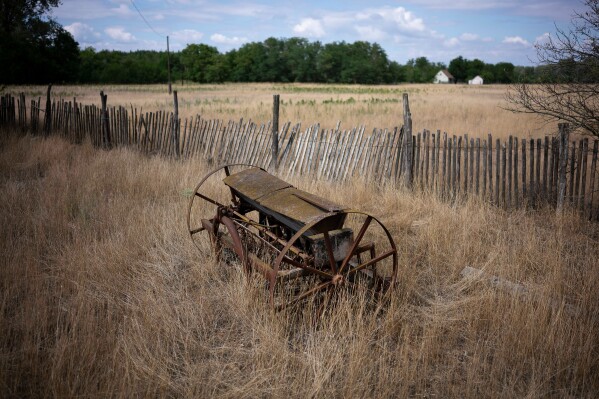
Farmers in Hungary’s Great Plain are taking proactive steps to address worsening drought and soil degradation by adopting innovative local water-management practices. Known as “water guardians,” these farmers are reshaping traditional approaches to land and water use as climate change intensifies pressure on one of the country’s most important agricultural regions.
The Great Plain, long considered Hungary’s agricultural heartland, has experienced increasingly frequent and severe droughts in recent years. Rising temperatures, reduced rainfall, and altered river flows have contributed to declining soil moisture and growing risks of desertification. In response, local farmers are experimenting with practical, low-cost methods to retain water in the landscape rather than allowing it to drain away.
One key strategy involves restoring natural water retention systems. Farmers are reintroducing small canals, ponds, and floodplain features that slow water movement and allow it to seep into the soil. By holding rainwater and seasonal floodwater on farmland for longer periods, these measures help replenish groundwater and improve soil fertility.
Changes in land management practices are also playing a role. Some farmers are adjusting crop choices to include more drought-tolerant varieties, while others are adopting soil-cover techniques that reduce evaporation and erosion. Reduced tillage and organic matter enrichment are helping soils retain moisture and withstand extreme weather conditions.
Collaboration has been central to the success of these efforts. Farmers are working with local communities, researchers, and environmental groups to share knowledge and coordinate water use across wider areas. This collective approach recognizes that water challenges cannot be solved at the level of individual farms alone, particularly in regions affected by large-scale climatic shifts.
Beyond environmental benefits, the initiatives are delivering economic advantages. Improved water retention has helped stabilize yields and reduce crop losses during dry periods, supporting farm incomes and long-term viability. The approach also aligns with broader European goals on climate adaptation and sustainable land use.
As climate change continues to reshape weather patterns across Central Europe, the experience of Hungary’s “water guardian” farmers highlights the importance of locally driven solutions. Their efforts demonstrate how practical water innovation, rooted in regional knowledge, can play a critical role in protecting agricultural landscapes from desertification.

 By
By