The President of the International Fund for Agricultural Development (IFAD) has underscored the transformative role of agriculture in fostering peace, social cohesion, and economic resilience during recent global discussions. Addressing policymakers and development leaders, the IFAD chief stressed that sustainable agricultural development can serve as a powerful tool to address the root causes of conflict and instability worldwide.
According to IFAD, rural poverty, food insecurity, and lack of economic opportunity remain major drivers of social unrest, particularly in fragile and conflict-affected regions. Strengthening agricultural systems, the organization argues, not only improves food availability but also creates employment, supports livelihoods, and restores dignity to rural communities. When farming communities are economically secure, the risk of conflict and forced migration is significantly reduced.
The IFAD President highlighted that smallholder farmers play a central role in global food systems, especially in developing countries. Investing in small-scale agriculture, rural infrastructure, and access to markets can help stabilize communities by offering reliable income and long-term economic prospects. These investments, he noted, are far more cost-effective and sustainable than post-conflict humanitarian interventions.
Climate change was identified as a growing threat to peace and food security. Extreme weather events, water scarcity, and land degradation are intensifying competition over natural resources, increasing the likelihood of conflict. IFAD is therefore prioritizing climate-resilient agriculture, promoting practices that enhance productivity while protecting ecosystems and reducing environmental stress.
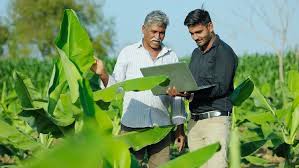
The IFAD chief also emphasized the importance of inclusive agricultural policies that empower women, youth, and marginalized groups. By ensuring equitable access to land, finance, technology, and training, agriculture can become a source of hope for millions who otherwise face limited opportunities. Youth engagement in modern, technology-driven farming was highlighted as essential to preventing rural-to-urban migration and social instability.
Concluding the discussions, the IFAD President called for stronger global cooperation and increased investment in rural development. He urged governments, financial institutions, and international partners to view agriculture not only as a food production sector but as a strategic investment in peace, stability, and sustainable development.
As global challenges intensify, IFAD’s message reinforces the idea that agriculture, when properly supported, can serve as a foundation for hope, resilience, and lasting peace across regions facing economic and social uncertainty.

 By
By