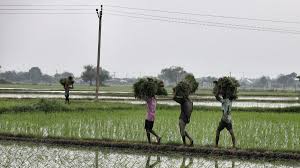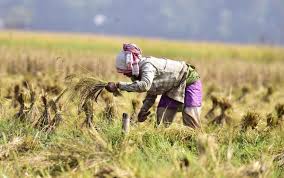
India has reportedly overtaken China to become the world’s largest rice producer, with an estimated output of approximately 150.18 million tonnes. This milestone reflects the country’s ongoing efforts to enhance crop productivity through the introduction of high-yielding rice varieties and improved agronomic practices.
Agricultural experts attribute India’s achievement to a combination of factors, including modern seed technology, efficient irrigation methods, and government-supported initiatives aimed at increasing rice productivity. The development and adoption of multiple high-yielding varieties have enabled farmers to achieve higher per-hectare yields while maintaining crop resilience against pests and adverse weather conditions.
“India’s rice production growth demonstrates the strength of its research and innovation in agriculture,” said a senior crop scientist. “This not only strengthens the nation’s food security but also has significant implications for global rice supply and trade.”
The increase in production is expected to boost global rice availability, potentially stabilizing prices in international markets and supporting food security in regions dependent on imports. Analysts highlight that India’s leadership in rice production also positions it as a key exporter, contributing to both economic growth and rural livelihoods.
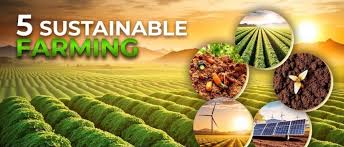
While this achievement marks a significant milestone, experts emphasize the importance of sustainable farming practices to maintain productivity over the long term. Continued investment in climate-resilient varieties, digital agriculture tools, and efficient resource management will be critical to sustaining India’s edge in rice production.
With the global demand for rice continuing to rise, India’s rise as the world’s top producer underscores its central role in meeting the food requirements of a growing population and reinforces the country’s reputation as a leader in staple crop cultivation.


 By
By