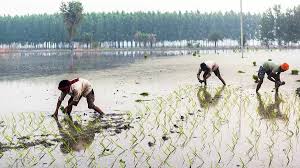
India’s emergence as the world’s leading rice exporter has reinforced its importance in global food markets, but it is also placing severe pressure on the country’s already stressed water resources. In major rice-producing states such as Punjab and Haryana, intensive cultivation practices are accelerating groundwater depletion, triggering growing concerns over long-term sustainability and water security with far-reaching international implications.
Rice farming in these regions depends heavily on groundwater irrigation, sustained by decades of free or heavily subsidized electricity. While these measures have supported farmers and boosted production, they have also encouraged unchecked water extraction. In several districts, groundwater levels are declining at alarming rates, making irrigation increasingly energy-intensive and economically costly.
Punjab and Haryana illustrate the scale of the challenge. Despite being relatively water-scarce, these states contribute a significant share of India’s rice exports due to assured government procurement and policy incentives that favor rice over traditional crops. As water tables fall, farmers face heightened risks including soil degradation, declining productivity, and greater exposure to climate-related shocks such as heatwaves and erratic rainfall.
The environmental impact extends beyond India’s borders. As a dominant supplier in the global rice trade, India is effectively exporting large volumes of “virtual water” embedded in rice production. Experts warn that continued groundwater depletion could disrupt supply chains, influence global rice prices, and undermine food security in import-dependent countries.
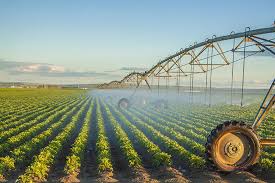
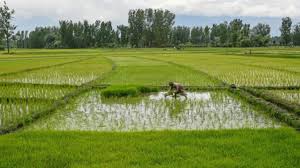
To address the crisis, policymakers and researchers are advocating structural reforms. These include shifting cultivation toward less water-intensive crops such as millets and pulses, expanding the use of water-efficient irrigation technologies, and revising electricity subsidies and procurement policies that currently incentivize excessive groundwater use. Some states have already implemented regulations delaying rice transplanting to reduce water demand, showing promising results.
India’s rice export success underscores a critical trade-off between agricultural growth and environmental sustainability. Ensuring the long-term viability of farming communities while protecting groundwater resources will require coordinated policy action and a rethinking of how food production aligns with natural resource limits. The choices made today will shape not only India’s water future but also the resilience of global food systems.

 By
By