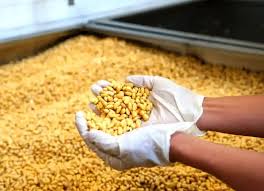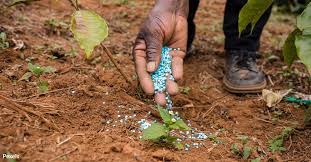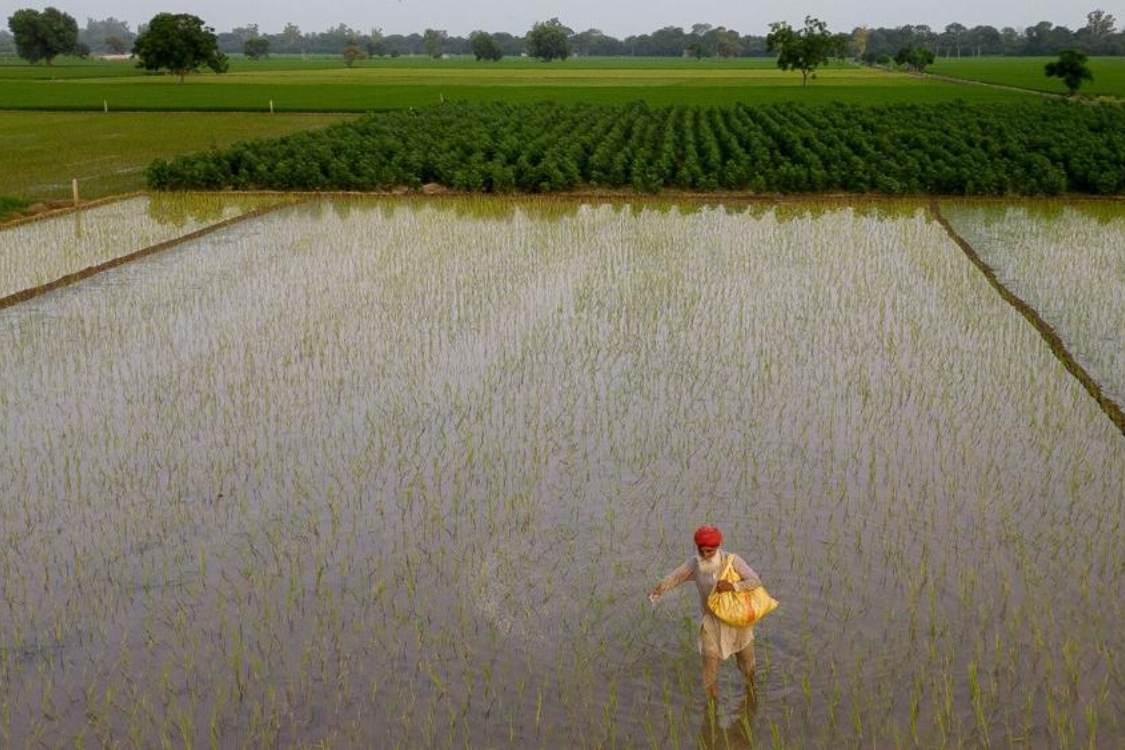
India’s position as the world’s largest rice exporter has strengthened its role in global food security, but it is also intensifying a serious environmental challenge at home. Rapid growth in rice production and exports is accelerating groundwater depletion in major rice-growing states such as Punjab and Haryana, raising concerns about the long-term sustainability of Indian agriculture.
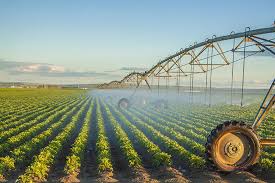
Rice is a highly water-intensive crop, and in northwestern India it is largely cultivated using groundwater irrigation. In Punjab and Haryana, where rice cultivation expanded rapidly over the past two decades due to assured procurement and minimum support prices, water tables are falling at alarming rates. Farmers are now forced to drill deeper borewells each year, increasing production costs and energy use while putting further pressure on already stressed aquifers.
Experts warn that the current production model is becoming increasingly unsustainable. In several districts, groundwater levels are declining by more than half a meter annually. This has not only environmental consequences but also social and economic ones, as small farmers struggle to afford deeper wells and higher electricity or diesel costs for pumping water.
India’s rice exports have surged in recent years, driven by strong global demand and competitive pricing. While this has boosted farm incomes and strengthened the country’s agri-trade balance, it has also effectively meant exporting large volumes of “virtual water” embedded in rice shipments. Analysts note that this hidden water cost is rarely factored into trade or agricultural policy decisions.
Agricultural scientists and policy experts are increasingly calling for diversification away from water-intensive crops in regions facing acute water stress. Shifting part of the rice area toward less water-demanding crops such as pulses, oilseeds, and millets could significantly reduce groundwater extraction while improving soil health and nutritional outcomes. Some states have begun pilot programs to promote crop diversification, but progress remains slow due to market risks and entrenched procurement systems.
The issue has global implications as well. As climate change increases pressure on water resources worldwide, India’s experience highlights the need to align agricultural trade with environmental sustainability. Balancing food security, farmer livelihoods, and natural resource conservation will be critical not only for India’s future but also for the stability of global rice markets.
Without timely reforms in cropping patterns, water pricing, and procurement policies, experts caution that India’s rice export success could come at the cost of long-term agricultural resilience and water security.

 By
By