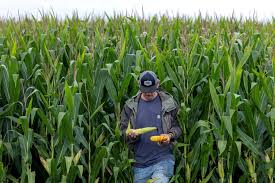
The global horticulture industry is increasingly turning toward mechanisation and technological innovation as labour shortages continue to affect vegetable production systems. Across many countries, growers are struggling to find sufficient farm workers, particularly for labour-intensive tasks such as planting, harvesting, pruning, and crop maintenance.
Experts say the shortage of agricultural labour has become a major challenge for the horticulture sector, especially in high-value vegetable and fruit production. As a result, companies, agricultural researchers, and technology developers are focusing on solutions that can reduce dependence on manual labour while maintaining productivity and crop quality.
One major area of innovation is the development of crop varieties designed for easier mechanical harvesting and automated cultivation. Plant breeders are working to create vegetable varieties with more uniform growth patterns, consistent fruit size, and plant structures suitable for machine-based harvesting systems. These traits help improve efficiency when using automated equipment in commercial farms.
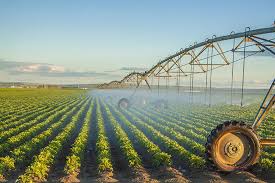
Technological advancements are also playing a key role in addressing labour shortages. Robotics, artificial intelligence, and precision farming tools are increasingly being introduced into horticulture operations. Automated harvesting machines, robotic pickers, and sensor-based monitoring systems are being tested and deployed in several vegetable-growing regions.
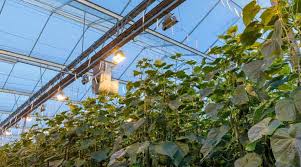
The shift toward mechanisation is particularly evident in greenhouse vegetable production, where controlled environments make it easier to integrate advanced technologies. Modern greenhouses are now equipped with automated irrigation systems, climate control technologies, conveyor-based harvesting systems, and robotic crop management tools that significantly reduce the need for manual labour.
Researchers believe that the integration of automation and improved plant genetics will reshape horticulture production systems in the coming years. These innovations can help growers maintain stable production levels even when labour availability becomes limited.
However, experts also note that adopting mechanisation requires substantial investment and technical knowledge. Smaller farms may face challenges in adopting advanced technologies without financial support or access to training programs.
Despite these challenges, the growing labour shortage in agriculture is expected to accelerate innovation in the horticulture sector. As mechanisation technologies become more affordable and efficient, they are likely to play a central role in improving productivity and sustainability in vegetable production worldwide.


 By
By