The recently approved trade agreement between the European Union and the Mercosur bloc is expected to reshape agricultural markets on both sides of the Atlantic, with uneven impacts across European farming sectors. While export-oriented producers are poised to gain improved access to South American markets, other segments face heightened competition from Mercosur’s large-scale agricultural producers.
Under the agreement, tariffs on a wide range of agricultural and food products will be reduced or eliminated, creating new opportunities for EU exporters of dairy products, wine, spirits, processed foods, and specialty agricultural goods. Countries with strong value-added agri-food industries are likely to benefit from expanded market access and increased export volumes.
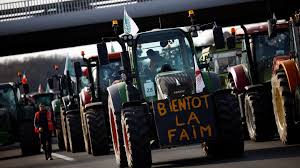
At the same time, the deal raises concerns among European farmers producing commodities that compete directly with Mercosur exports. Beef, poultry, sugar, and certain oilseeds are among the sectors expected to experience increased competitive pressure due to lower-cost imports from Brazil, Argentina, Paraguay, and Uruguay. Farm organizations in several EU member states have warned that this could affect farm incomes, particularly for small and medium-sized producers.
Differences in production costs and regulatory standards have been a central point of debate. European farmers operate under strict environmental, animal welfare, and food safety regulations, which can raise production costs. Critics argue that imports from Mercosur countries may not be subject to equivalent standards, potentially creating an uneven playing field. EU officials, however, have emphasized that the agreement includes safeguards, quotas, and compliance requirements to protect sensitive sectors.
The environmental dimension of the deal has also attracted scrutiny. Some stakeholders have expressed concerns about deforestation and land-use change linked to agricultural expansion in South America. In response, the agreement incorporates sustainability commitments and monitoring mechanisms aimed at reinforcing environmental protection and responsible land management.
Economists note that the overall impact of the Mercosur–EU agreement will vary significantly by region and sector within Europe. Export-focused agri-food industries may see growth and increased competitiveness, while traditional livestock and commodity producers may require targeted support and adjustment measures.
As the agreement moves toward implementation, European policymakers face the challenge of balancing trade liberalization with agricultural resilience. Ensuring fair competition, environmental integrity, and income stability for farmers will be critical to translating the trade deal into broadly shared economic benefits across the EU’s diverse agricultural landscape.


 By
By