A new pest outbreak in southern Texas is threatening the U.S. citrus industry, as authorities move to contain the spread of the Mexican fruit fly, one of the most destructive pests affecting fruit production. The detection of the invasive insect has triggered quarantines across nearly 1,000 acres of citrus groves, heightening concerns among growers, exporters, and plant health officials.
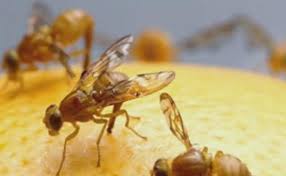
The Mexican fruit fly is considered a high-risk agricultural pest due to its ability to infest a wide range of fruit crops, particularly citrus and mangoes. Female flies lay eggs inside ripening fruit, and the developing larvae feed on the flesh, rendering the fruit unmarketable. Once established, infestations can spread rapidly and cause severe economic losses.
State and federal agricultural authorities have imposed quarantine measures in affected areas of Texas to prevent the movement of potentially infested fruit. These restrictions limit the transport of fresh citrus outside the quarantine zone unless strict inspection and treatment protocols are followed. Such measures are essential to protect citrus-producing regions in other parts of the United States.
Texas plays an important role in U.S. citrus production, especially for grapefruit and oranges, and the outbreak comes at a sensitive time for growers already facing rising costs, climate-related stress, and market volatility. Industry experts warn that if the pest is not quickly contained, it could disrupt domestic supply chains and jeopardize access to export markets that maintain zero-tolerance policies for fruit fly presence.
In response, pest management teams have intensified surveillance, trapping, and eradication efforts. These include increased monitoring, targeted treatments, and public outreach to ensure growers and residents comply with quarantine regulations. Officials emphasize that early detection and cooperation are critical to preventing the fly from becoming permanently established.
The outbreak also highlights broader concerns about biosecurity and the increasing movement of agricultural pests due to trade, travel, and climate change. Warmer temperatures can expand the range in which pests survive, making regions previously considered low risk more vulnerable.
While authorities remain cautiously optimistic that containment efforts will be effective, the situation serves as a reminder of the ongoing threats facing global agriculture. Protecting crops from invasive pests is not only vital for farmers’ livelihoods but also for food security and the stability of domestic and international agricultural markets.


 By
By