A newly published peer-reviewed study has highlighted the potential of Bayer’s Preceon™ Smart Corn System to support more sustainable corn production while creating opportunities for improved farm profitability. The research, published in the Journal of Environmental Quality, analyzed multi-year field data and found that short-stature corn systems can significantly reduce the environmental footprint of corn cultivation.
According to the study, the Preceon™ Smart Corn System lowered the carbon intensity of corn production by an average of 13 percent, compared to conventional taller corn hybrids. The reduction was attributed to higher yield efficiency, improved root architecture, and better optimization of agricultural inputs. In some environments, carbon intensity reductions were observed to be as high as 28 percent.
One of the most notable findings was the development of stronger and larger root systems in Preceon™ short-stature corn hybrids. Researchers reported root masses that were approximately 39 percent larger than those of traditional hybrids, enhancing the crop’s ability to store carbon in the soil and contributing to long-term soil health.
The study also documented meaningful greenhouse gas emission savings, estimated at 0.09 to 0.78 tonnes of CO₂ equivalent per hectare per year. These reductions stem from multiple factors, including improved yield per unit of input, lower nitrogen content in crop residues, and increased carbon sequestration through expanded root systems.
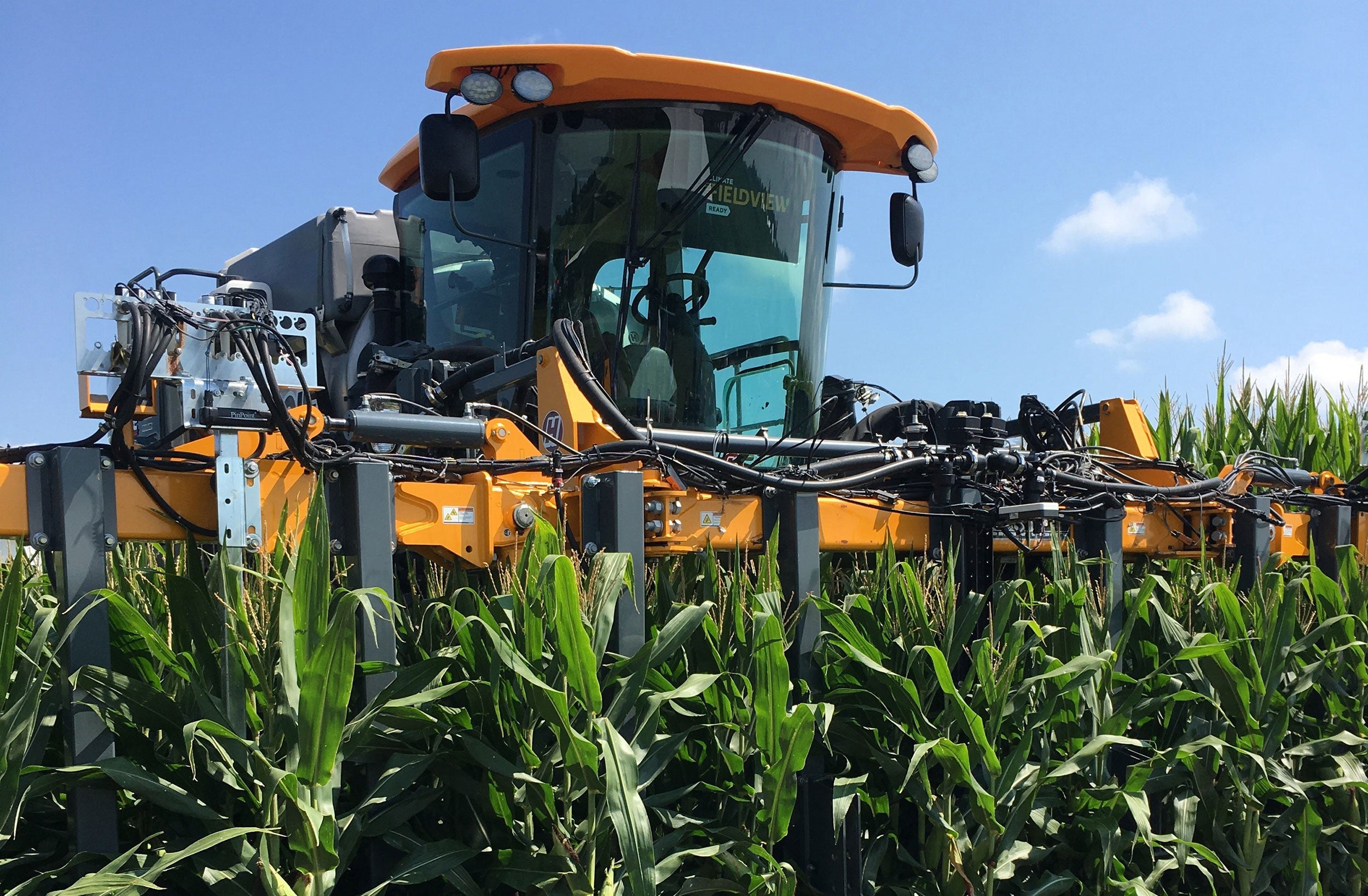
In addition, the shorter plant height of Preceon™ hybrids allows farmers greater field access during a wider portion of the growing season. This enables more precise and timely application of nitrogen and crop protection products using standard equipment, leading to better nutrient use efficiency, reduced nitrous oxide emissions, and improved yield outcomes.
The system also offers agronomic resilience benefits. The study found that short-stature corn is less prone to lodging and greensnap, helping to reduce crop losses during severe weather events such as high winds and storms—an increasingly important advantage under changing climate conditions.
Beyond environmental gains, the findings suggest potential financial advantages for growers, particularly as demand grows for sustainably produced agricultural commodities. Improved productivity, input efficiency, and access to sustainability-linked markets could translate into stronger economic returns for farmers adopting the system.
Researchers noted that if short-stature corn systems like Preceon™ were adopted on a large scale, the climate impact could be substantial. Widespread adoption across U.S. corn acreage could lead to millions of tonnes of CO₂-equivalent emissions reductions annually, reinforcing the role of innovation in advancing climate-smart agriculture.
Overall, the study underscores how next-generation crop genetics can help balance productivity, environmental stewardship, and farm profitability, supporting farmers as they adapt to evolving climatic and market conditions.


 By
By