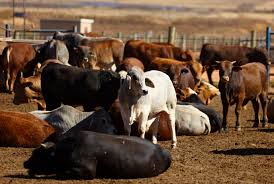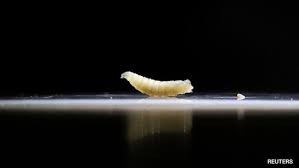
U.S. animal health authorities have confirmed the detection of the New World screwworm in imported livestock at a federal inspection facility, prompting immediate containment and enhanced biosecurity protocols.
The New World screwworm is a highly destructive parasitic fly whose larvae infest the living tissue of warm-blooded animals, including cattle, wildlife, pets, and occasionally humans. Infestations can cause severe tissue damage, secondary infections, weight loss, and even death if left untreated. The parasite was previously eradicated from the United States decades ago through an intensive sterile insect technique program, making its reappearance a significant animal health concern.
According to officials, the detection occurred during routine inspection of imported animals, underscoring the importance of border surveillance systems. Immediate quarantine measures were implemented, and veterinary authorities initiated tracing, testing, and treatment protocols to prevent potential spread.
The discovery has led to tightened import screening procedures, expanded surveillance at ports of entry, and coordination with exporting countries to ensure compliance with international animal health standards. Livestock producers and industry stakeholders have been advised to remain vigilant for clinical signs of screwworm infestation, including unusual wound activity or larval presence.
Animal health experts stress that early detection and rapid response are critical to preventing establishment of the parasite in domestic herds. The livestock sector plays a crucial role in the U.S. agricultural economy, and maintaining disease-free status is essential for both domestic production stability and international trade credibility.
Authorities have assured producers that containment efforts are underway and that strict monitoring will continue to safeguard herd health and prevent broader economic impacts on the livestock industry.

 By
By