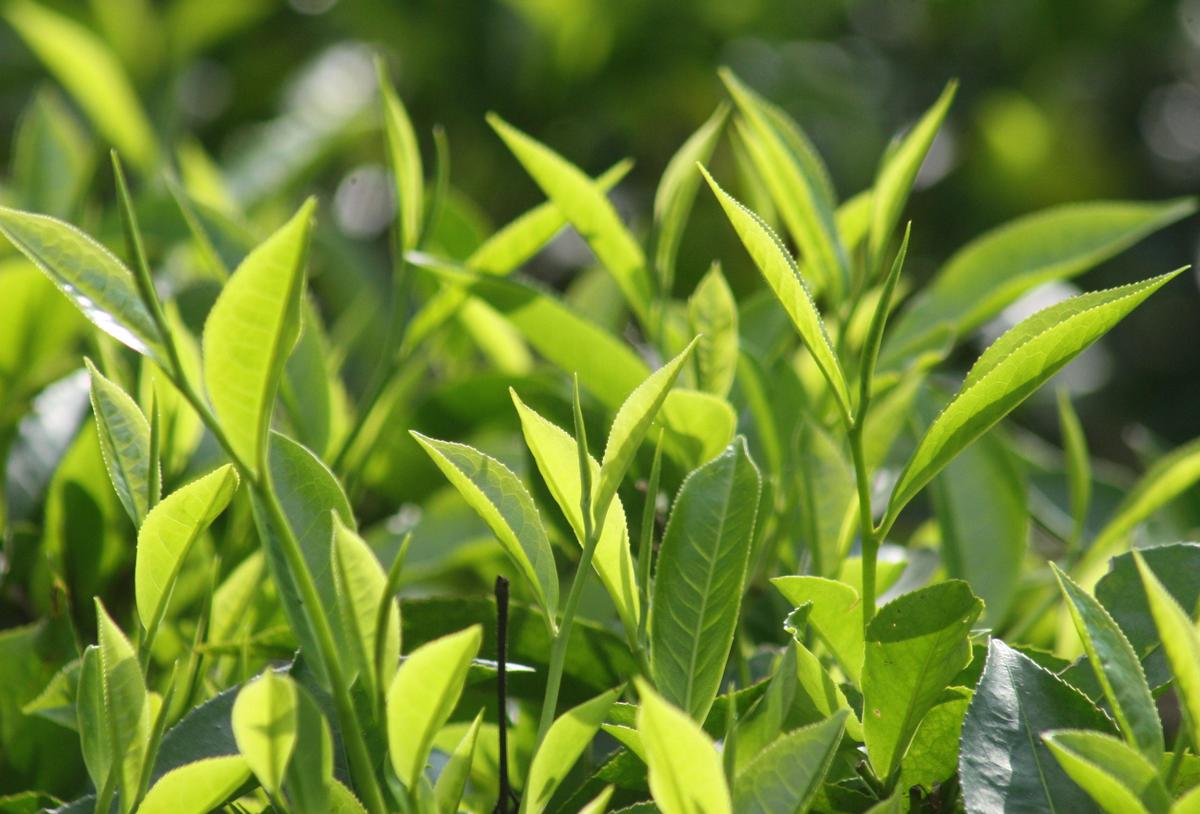
The Food Safety and Standards Authority of India (FSSAI) has issued a formal clarification stating that only products derived from the Camellia sinensis plant can be legally labelled, marketed, and sold as “tea” in India. The clarification aims to prevent misleading branding practices and ensure greater transparency for consumers.
In an official communication issued on December 24, 2025, the food regulator noted that it has observed several food business operators (FBOs) selling products such as “herbal tea,” “flower tea,” and “rooibos tea,” even though these products are not derived from Camellia sinensis. According to FSSAI, the use of the word “tea” for such products is misleading and constitutes misbranding under the Food Safety and Standards Act, 2006.
FSSAI emphasized that under the Food Safety and Standards (Food Products Standards and Food Additives) Regulations, 2011, the term “tea” is specifically reserved for products obtained from Camellia sinensis. This includes all recognized forms such as black tea, green tea, Kangra tea, and even instant tea sold in solid form. Any product not sourced from this plant cannot legally be described as tea.
The authority further clarified that herbal or plant-based infusions and blends made from flowers, roots, leaves, or other plant materials must not use the term “tea” on their labels. Instead, such products must be described using accurate terminology that reflects their true nature. Depending on their composition, these products may fall under the category of proprietary foods or may require prior approval under regulations governing non-specified food items and ingredients.
As per existing labelling regulations, all packaged food products must clearly declare their true nature on the label to avoid consumer deception. Misrepresentation through incorrect naming can lead to regulatory action.
FSSAI has directed all FBOs, including online and e-commerce platforms, to strictly comply with the clarification and immediately discontinue the use of the word “tea” for non-Camellia sinensis products. State food safety commissioners and regional directors have been instructed to closely monitor compliance. The regulator warned that violations will attract action as per applicable food safety laws.
The clarification is expected to bring uniformity in food labelling practices and protect consumer interests across the country.


 By
By