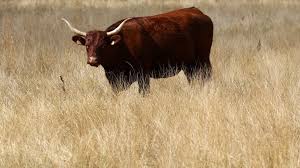
The prestigious Paris International Agriculture Show will proceed this year without cattle exhibits for the first time in its history, following concerns over the spread of lumpy skin disease affecting livestock in France. Organizers announced the decision as a precautionary measure aimed at protecting animal health and preventing further transmission of the disease.
Lumpy skin disease, a viral infection that primarily affects cattle, has raised significant concern among veterinary authorities due to its rapid spread and potential economic impact. The disease can cause fever, skin lesions, reduced milk production, and, in severe cases, death. While it poses no direct risk to humans, outbreaks can severely disrupt livestock markets and farming livelihoods.
Show organizers stated that excluding cattle from the event is a necessary step to minimize animal movement and reduce the risk of disease transmission among herds. The decision follows consultations with veterinary experts, agricultural authorities, and livestock organizations, all of whom emphasized the importance of biosecurity during periods of heightened disease risk.
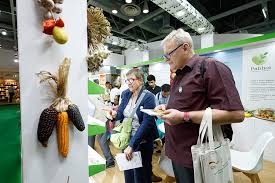
Despite the absence of cows, the International Agriculture Show will continue to showcase a wide range of agricultural sectors, including crop production, agri-food innovation, farm machinery, and other livestock species not affected by the disease. Educational exhibits, regional food displays, and discussions on sustainable farming and animal health will remain key features of the event.
The move has been met with mixed reactions within the farming community. While some breeders expressed disappointment at losing a major platform to showcase prized cattle, many acknowledged that animal health and long-term industry stability must take precedence. Authorities have emphasized that disease prevention measures are critical to safeguarding France’s livestock sector.
The decision also highlights broader challenges facing global agriculture, where animal diseases, climate change, and increased trade and movement of livestock are raising biosecurity risks. Experts stress the need for improved surveillance, vaccination programs, and coordinated response strategies to protect animal health.
As one of Europe’s largest agricultural exhibitions, the Paris International Agriculture Show remains a key platform for dialogue on the future of farming. This year’s unprecedented decision underscores the growing importance of disease management and prevention in ensuring the resilience and sustainability of the livestock sector.

 By
By