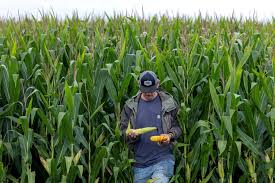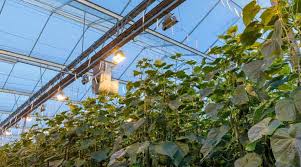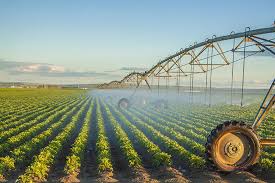
The Philippine Senate has approved the 2026 national budget with a strong focus on agriculture, alongside education and health, signaling increased government commitment to strengthening the country’s farm sector. The budget allocation reflects efforts to enhance food security, stabilize prices, and improve rural livelihoods amid ongoing economic and climate-related challenges.
Agriculture remains a vital component of the Philippine economy, employing a significant portion of the population and supplying essential food commodities. Increased funding is expected to support programs aimed at raising farm productivity, improving irrigation systems, and expanding access to modern farming technologies. Lawmakers have emphasized that targeted investment in agriculture is critical to reducing reliance on food imports and managing inflation.
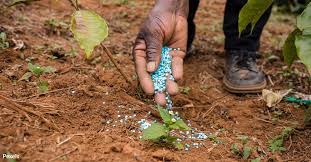
A key priority under the new budget is support for smallholder farmers and fisherfolk. Resources have been allocated for subsidized inputs such as seeds and fertilizers, mechanization programs, and post-harvest facilities to reduce losses and increase market value. The government also plans to strengthen extension services and training initiatives to help farmers adapt to climate variability and adopt more efficient practices.
The budget further highlights investments in climate resilience. With the Philippines frequently affected by typhoons, floods, and droughts, funding for disaster preparedness, crop insurance, and climate-smart agriculture has been identified as essential. These measures aim to protect farmer incomes while ensuring stable food supplies for consumers.
In addition to production-focused spending, the agriculture budget supports rural infrastructure development, including farm-to-market roads and storage facilities. Improved infrastructure is expected to enhance market access, reduce transportation costs, and encourage private-sector participation in agri-based enterprises.
Government officials have framed the increased agriculture allocation as part of a broader strategy to promote inclusive growth. By aligning investments in agriculture with education and health, the budget seeks to address both economic productivity and social welfare, particularly in rural areas.
As implementation moves forward, attention will focus on effective execution and transparency to ensure that budgeted resources translate into measurable improvements on the ground. If successfully implemented, the 2026 budget could play a key role in revitalizing the Philippine agricultural sector and strengthening long-term food security.

 By
By