Researchers at the University of Agricultural Sciences (UAS), Bengaluru, have developed a new bean-shelling machine designed to reduce the labor and cost burdens associated with post-harvest legume processing. The innovation addresses a long-standing challenge faced by farmers, particularly smallholders, by offering a practical and affordable solution to one of the most time-consuming stages of production.
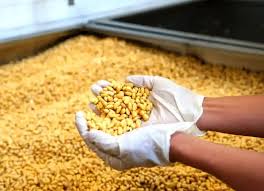
Traditionally, bean shelling is carried out manually or with limited mechanization, requiring significant labor input and extended processing time. This not only increases operational costs but also delays market access, affecting overall farm profitability. The newly developed machine streamlines the shelling process, enabling faster separation of beans from pods while maintaining grain quality.
According to UAS researchers, the machine has been engineered with simplicity and efficiency in mind. It operates with minimal power requirements and can be used at the farm or village level, making it suitable for regions with limited access to advanced infrastructure. Its design allows farmers to process larger volumes of legumes in less time, significantly improving post-harvest efficiency.
Cost reduction is a key advantage of the innovation. By lowering dependence on hired labor and reducing processing losses, the bean-shelling machine helps farmers retain a greater share of their earnings. Early field demonstrations have shown promising results, with users reporting notable savings in time and labor expenses.
The machine is expected to benefit a wide range of legume growers, including those cultivating beans, pulses, and other pod crops common across southern India. Improved post-harvest handling also contributes to better product quality, enhancing farmers’ ability to meet market standards and secure better prices.
Agricultural experts view the development as an important example of how targeted mechanization can improve farm productivity without imposing high capital costs. By focusing on affordable, locally relevant technologies, public research institutions like UAS Bengaluru are playing a crucial role in strengthening agricultural value chains.
The bean-shelling machine is now undergoing wider testing and outreach through extension programs. If adopted at scale, it could help reduce drudgery, increase efficiency, and support more sustainable and profitable legume farming across the region.


 By
By