
Precision agriculture is poised for accelerated global expansion in 2026, as farmers, agribusinesses, and governments increasingly adopt data-driven technologies to improve productivity, reduce environmental impacts, and strengthen rural economies. Analysts say the sector is entering a new phase of scale and sophistication, fuelled by affordable sensors, automation, and advanced analytics.
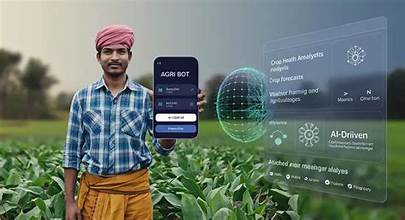
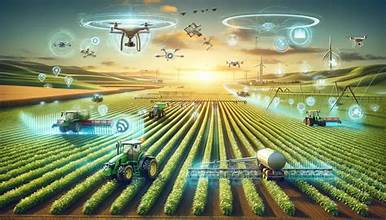
Across major farming regions, precision tools — including GPS-guided machinery, drone-based monitoring, variable-rate input systems, and AI-supported decision platforms — are becoming mainstream. These technologies enable farmers to apply fertilisers, irrigation, and crop protection only where and when they are needed, reducing waste while improving yields. The result is more efficient land use and lower greenhouse gas emissions, aligning agriculture with global climate goals.
In 2026, the most significant trend is the integration of multi-source data streams. Real-time satellite imagery, in-field IoT sensors, soil diagnostics, and hyperlocal weather forecasting are now converging into unified dashboards, allowing farmers to make more informed and timely decisions. This data consolidation is helping close productivity gaps, particularly in regions where smallholders previously lacked access to advanced advisory tools.
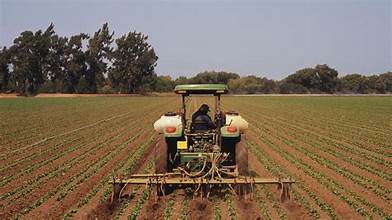
Another emerging development is the rapid scaling of automation. Autonomous tractors, robotic planters, and precision sprayers are gaining traction beyond early adopters, supported by falling hardware costs and new financing models. These innovations are also helping address chronic labour shortages in several agricultural economies.
Governments are playing a stronger role as well. Countries in North America, Europe, and Asia are expanding digital agriculture incentives, offering subsidies for sensor installation, data platforms, and irrigation automation. These investments are expected to stimulate rural employment, create new agri-tech service ecosystems, and improve climate resilience at farm and regional levels.
However, the expansion of precision farming also brings challenges. Limited connectivity in remote areas, high upfront costs for small-scale farmers, and data privacy concerns remain significant barriers. Experts say that targeted public–private partnerships and digital literacy initiatives will be essential to ensure equitable adoption.
Despite these hurdles, the outlook for 2026 is overwhelmingly positive. Precision farming is shifting from a niche innovation to a global standard, with transformative implications for food security, environmental sustainability, and rural economic growth. The year ahead is expected to mark one of the most substantial leaps in the precision agriculture landscape.

 By
By