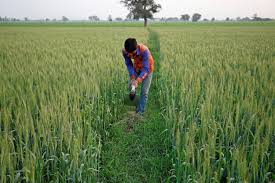
India’s rabi sowing season has recorded steady and encouraging progress, with total crop coverage reaching 652.33 lakh hectares as on 16 January 2026, marking an increase of 20.88 lakh hectares compared to the corresponding period last year. The latest data released by the Ministry of Agriculture and Farmers’ Welfare highlights robust growth across major rabi crops, reflecting favourable field conditions and timely sowing.
Wheat, the country’s most important rabi crop, continues to dominate acreage with 334.17 lakh hectares sown so far, registering an increase of 6.13 lakh hectares over last year. This expansion reinforces expectations of a stable wheat production outlook for the 2025–26 season.
Pulses have also shown notable improvement, with total area rising to 137.00 lakh hectares, up by 3.82 lakh hectares. Within pulses, gram (chickpea) recorded a significant increase of 4.66 lakh hectares, reaching 95.88 lakh hectares, underlining farmers’ preference for this key protein crop. Lentil acreage also increased marginally, while minor fluctuations were observed in crops such as field pea, urdbean, and kulthi.
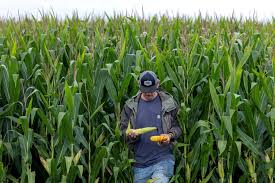
Area under Shri Anna and coarse cereals reached 58.72 lakh hectares, reflecting a rise of 2.79 lakh hectares. Among these, maize and barley showed strong gains, increasing by 2.50 lakh hectares and 1.29 lakh hectares, respectively, indicating growing diversification within the rabi cropping system.
Oilseeds posted healthy growth, with coverage increasing by 3.53 lakh hectares to reach 96.86 lakh hectares. Rapeseed and mustard, the principal rabi oilseed, accounted for the bulk of this expansion, recording an increase of 2.79 lakh hectares. Safflower, sunflower, groundnut, and linseed also registered modest gains, contributing to overall oilseed growth.
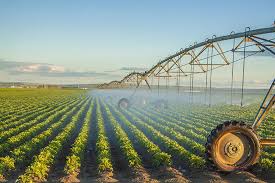
Overall, the rabi sowing data points to a stable and well-progressing agricultural season, supported by adequate soil moisture, farmer confidence, and improved crop planning. The increase in area under cereals, pulses, and oilseeds is expected to strengthen food availability and support farm incomes in the coming months.
The Ministry continues to closely monitor crop conditions across states, with a focus on ensuring timely advisory support and input availability to sustain the positive momentum of the 2025–26 rabi season.

 By
By