Farmers across Southeast Asia are facing mounting pressure as surging diesel prices disrupt irrigation, mechanisation, and the overall cost structure of agricultural production. Nowhere is the strain more visible than in Thailand, where smallholder farmers—who form the backbone of the country’s food system—are struggling to absorb operating costs that have risen sharply in recent months.
The spike in fuel prices is closely tied to ongoing geopolitical instability in the Middle East, a region central to global crude oil supply. Recent tensions have pushed international oil markets into volatility, leading to sharper-than-usual increases in retail diesel prices across Southeast Asia. For farmers who depend on fuel to power irrigation pumps, tractors, harvesters, and transport vehicles, the cost escalation is proving difficult to manage.
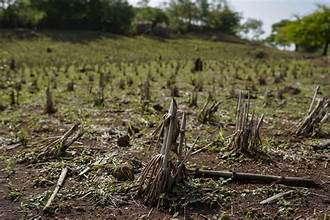
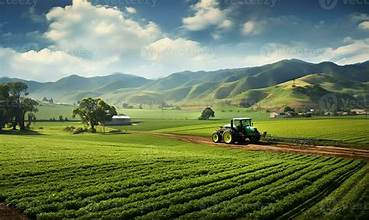
Thai farmer associations report that diesel expenses have climbed to the highest level in years, squeezing profit margins and forcing reductions in cultivated area for crops such as rice, sugarcane, cassava, and maize. Irrigation costs have nearly doubled in some drought-prone provinces, where farmers rely heavily on water pumping to sustain crops during dry spells. Many smallholders are delaying field operations, cutting down on mechanisation, or switching to less water-intensive crops—all of which could reduce overall harvest output.
Beyond Thailand, similar concerns are emerging in Vietnam, Indonesia, Cambodia, and the Philippines, where agricultural production is heavily dependent on diesel-powered machinery and transport. Rising fuel prices are also intensifying the cost of moving farm produce to markets and ports, which could push food inflation higher in urban centers.
International development agencies and food security experts warn that prolonged fuel price shocks could have serious implications for regional food systems. Southeast Asia is one of the world’s major producers of rice, seafood, fruits, and tropical commodities. Higher production and transportation costs risk disrupting supply chains, reducing export competitiveness, and increasing retail food prices for millions of consumers.
The UN Food and Agriculture Organization (FAO) and regional policy groups have flagged the risk of growing hunger rates and nutrition challenges if governments fail to support vulnerable farming communities. Rising production costs, combined with climate stressors such as El Niño–driven drought, could weaken harvest reliability and strain national food reserves.
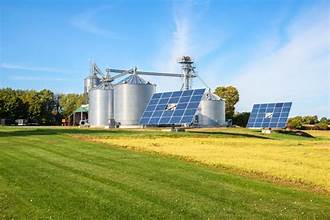
To mitigate the crisis, several Southeast Asian governments are considering targeted relief measures, including diesel subsidies for farmers, concessional loans for input purchases, and programs promoting renewable energy solutions such as solar-powered irrigation pumps. However, budgetary limitations and fuel import dependencies complicate policy responses.
Analysts also stress the need for longer-term structural changes, such as improving rural energy efficiency, expanding electrification of farm machinery, and promoting climate-adaptive cropping systems that reduce reliance on fuel-intensive irrigation.
For now, farmers across Thailand and its neighboring countries remain anxious. As diesel prices continue to rise, the economic viability of small-scale agriculture—which supports millions of livelihoods—faces increasing uncertainty. Unless geopolitical tensions ease or governments intervene decisively, Southeast Asia may be headed for a period of sustained food system stress, with consequences reaching far beyond the farm gate.


 By
By