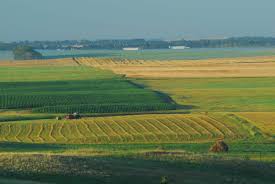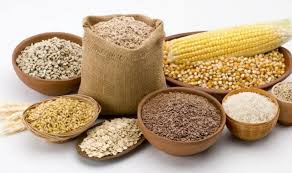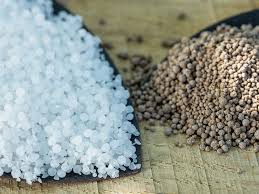
Growing global food demand and continued population expansion are driving a steady rise in phosphate consumption, reinforcing the strategic importance of the world’s leading phosphate-producing nations. As fertilizer use intensifies to sustain higher crop yields, phosphate rock — a key ingredient in phosphorus-based fertilizers — is becoming increasingly critical to global food security.
Phosphorus is an essential nutrient for plant growth, supporting root development, flowering, and grain formation. Unlike nitrogen, it cannot be synthetically manufactured and must be mined from natural deposits. As agricultural production expands to meet rising food demand, phosphate-based fertilizers remain indispensable for maintaining soil fertility and boosting crop productivity.
The world’s phosphate supply is highly concentrated geographically. Morocco holds the largest known reserves and is a dominant exporter, supported by operations managed by OCP Group. China and United States are also among the top producers, alongside Russia and Jordan.
The concentration of reserves in a limited number of countries has implications for global supply chains. Geopolitical tensions, export restrictions, or logistical disruptions can quickly influence fertilizer prices worldwide. Recent market volatility has highlighted how sensitive agricultural systems are to fluctuations in input availability and cost.
Demand pressures are being amplified by dietary shifts toward higher protein consumption, which require increased grain and oilseed production for animal feed. At the same time, many developing economies are intensifying fertilizer use to close yield gaps and improve domestic food security.
Industry analysts note that sustainable phosphate management is becoming a parallel priority. Overapplication can lead to environmental challenges such as water eutrophication, while inefficient use increases production costs. Precision farming technologies, improved soil testing, and integrated nutrient management practices are helping optimize fertilizer application rates.
As global agriculture continues to expand, phosphate demand is expected to remain firm. The ranking of top producing nations underscores not only economic influence but also strategic leverage in shaping future fertilizer markets. Ensuring stable supply chains, investing in recycling technologies, and promoting efficient nutrient use will be essential to balance rising demand with long-term environmental sustainability.


 By
By