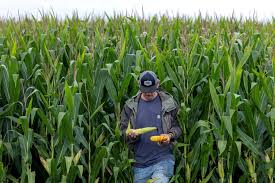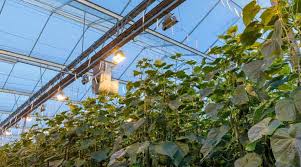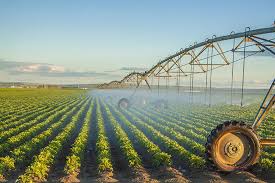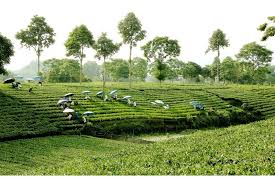
Rural tourism and eco-tourism initiatives are emerging as powerful drivers of economic change in Vietnam, particularly in the eastern areas of Ho Chi Minh City, where agriculture is being successfully integrated with visitor-focused experiences. This evolving model is helping farming communities diversify income sources while preserving local culture and natural resources.
Traditionally dependent on crop cultivation and small-scale livestock farming, many rural households in the region are now combining agriculture with tourism-based activities. Farms are being transformed into experiential destinations where visitors can participate in planting and harvesting, learn about traditional farming methods, and enjoy locally produced food. These activities create new revenue streams beyond conventional farm sales, reducing income volatility for farmers.
Local authorities and development agencies have supported this transition by improving rural infrastructure, promoting eco-tourism clusters, and providing training in hospitality and farm-based tourism management. Investments in access roads, sanitation, and digital promotion have made rural destinations more attractive and accessible to urban residents and domestic tourists seeking nature-based experiences close to the city.
Eco-tourism models emphasize sustainability, encouraging environmentally friendly farming practices and responsible tourism. Organic cultivation, water conservation, and waste recycling are increasingly being adopted to align agricultural production with eco-tourism standards. This approach not only enhances the visitor experience but also improves long-term soil health and farm productivity.
The economic impact has been significant at the community level. Farmers engaged in rural tourism report higher and more stable incomes, while additional employment opportunities are being created in guiding services, food processing, handicrafts, and local transport. Women and young people, in particular, are finding new roles within the rural tourism value chain, helping to strengthen social inclusion and reduce migration pressures.
Beyond income generation, rural tourism is also contributing to cultural preservation. Traditional cuisines, farming rituals, and local crafts are being showcased to visitors, reinforcing community identity and pride. This cultural dimension adds value to tourism offerings while ensuring that economic development does not come at the cost of heritage loss.
As Vietnam continues to balance rapid urbanization with rural development, the integration of agriculture and tourism in eastern Ho Chi Minh City is increasingly seen as a replicable model. By linking farming with experiential tourism, rural communities are building more resilient local economies while promoting sustainable and inclusive growth.

 By
By