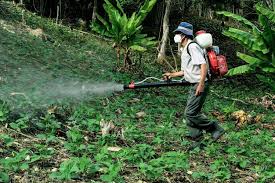
Saudi Arabia has proposed stricter regulations to combat the manufacture, import, and distribution of banned and counterfeit pesticides, signaling a stronger regulatory stance to protect public health, agriculture, and the environment. The proposed draft regulation introduces severe penalties, including prison sentences, heavy fines, and enhanced enforcement powers for authorities.
Under the draft rules, individuals or companies involved in producing, importing, or distributing prohibited or counterfeit pesticides could face up to five years in prison, fines of up to SAR 10 million, or both. All violations would be investigated by the Public Prosecution and referred to the competent courts. In cases of repeat offenses, penalties could be doubled, reinforcing the government’s zero-tolerance approach.
At the same time, the draft regulation differentiates between serious and minor violations. For less severe infractions that do not pose significant risks to human, animal, plant, or environmental health, authorities may initially issue warnings. Offenders would be given a defined period to correct violations before financial penalties or further sanctions are imposed.
The Saudi Food and Drug Authority (SFDA) will play a central role in overseeing pesticide-related violations linked to public health. Its responsibilities include reviewing violations, enforcing penalties, and obtaining approvals from its president or authorized officials. In parallel, the Ministry of Environment, Water and Agriculture will be empowered to order the removal of the causes of violations. If an offense is repeated within three years, it will be classified as a repeat violation, triggering harsher penalties.
The draft regulation also outlines strict procedures for handling confiscated or non-compliant materials. Authorities may require the destruction of such pesticides through certified chemical disposal companies or mandate their re-export to the country of origin. All associated costs will be borne by the violator. In serious cases, regulators will have the authority to temporarily shut down offending facilities for up to six months or order permanent closure.
Entities subject to penalties will retain the right to appeal decisions through the administrative court system, ensuring due process while maintaining strong enforcement.
Overall, the proposal reflects Saudi Arabia’s commitment to ensuring the safe and compliant use of pesticides, strengthening oversight of agricultural inputs, and safeguarding public health and environmental sustainability through a more robust regulatory framework.


 By
By