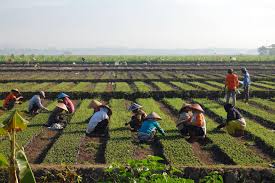
Across the United States, Asian American farmers are preserving and breeding heirloom and Indigenous plant seeds, transforming seed saving into a powerful act of cultural resilience and climate-adapted agriculture. By safeguarding traditional crop varieties, these farmers are protecting both ancestral knowledge and agricultural diversity at a time of growing environmental uncertainty.
Many of the seeds being preserved are tied to generations of culinary traditions, farming practices, and cultural identity. Crops such as bitter melon, long beans, mustard greens, and heritage rice varieties carry stories of migration and adaptation. For Asian American farming communities, saving these seeds is a way to maintain cultural continuity while asserting a place within modern agricultural systems that often favor standardized, commercial varieties.
Beyond cultural significance, these heirloom and Indigenous seeds offer practical advantages in the face of climate change. Many have been naturally selected over decades or centuries to thrive in specific conditions, including heat, humidity, drought, or poor soils. As farmers carefully breed and adapt these seeds to local environments, they are developing crop varieties that are more resilient to extreme weather, pests, and disease.
This grassroots work also addresses a broader challenge in global agriculture: the loss of genetic diversity. Industrial farming has narrowed the range of crops grown worldwide, increasing vulnerability to climate shocks. By maintaining diverse seed stocks, Asian American farmers are contributing to more resilient food systems and helping ensure future options for adaptation.
Community seed libraries, informal seed exchanges, and farmer-led breeding programs play a central role in this effort. Knowledge is shared across generations and within networks of growers, reinforcing collective stewardship rather than individual ownership. These practices align with sustainable agriculture principles that emphasize biodiversity, local adaptation, and farmer autonomy.
Advocates note that seed preservation also carries social and political meaning. For communities that have faced displacement and marginalization, controlling seeds represents a form of self-determination. It allows farmers to grow culturally important foods, serve local markets, and pass traditions on to future generations.
As climate pressures intensify, the work of Asian American seed keepers highlights how agriculture can be both a tool for adaptation and a means of cultural expression. Their efforts demonstrate that protecting seeds is not only about preserving the past, but also about cultivating resilient and inclusive food systems for the future.

 By
By