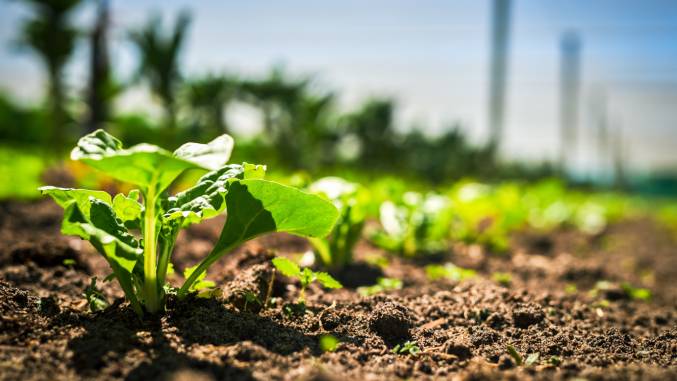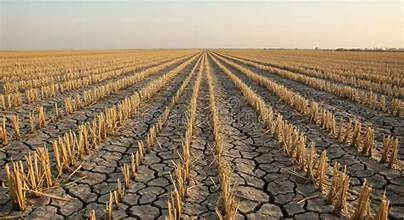
A severe and widespread drought is tightening its grip across the United States, placing immense pressure on the country’s agricultural sector and raising concerns about global food stability. According to recent assessments, nearly 60 percent of the nation is currently experiencing some level of drought, with large swathes of farmland facing acute water shortages. This prolonged dry spell is not only affecting crop yields but is also disrupting livestock production, increasing costs for farmers, and ultimately pushing food prices higher for consumers.
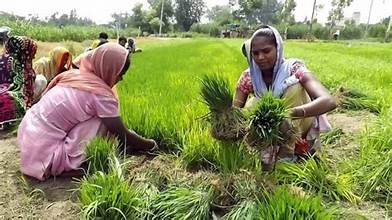
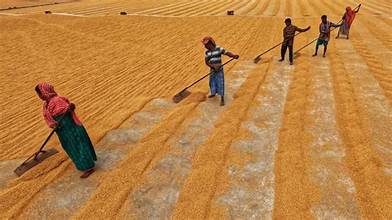
The impact on major crops has been particularly alarming. Wheat-producing regions are witnessing reduced soil moisture, which is critical during key growth stages. Rice cultivation, heavily dependent on consistent water supply, is also suffering as reservoirs and irrigation sources run low. Fruit growers, especially those dependent on stable climate conditions, are reporting smaller harvests and declining quality, which could have long-term effects on both domestic markets and export potential.
Livestock farming is facing parallel challenges. With pastures drying up and feed becoming more expensive, cattle producers are struggling to maintain their herds. This has already translated into a noticeable rise in beef prices, which have increased by approximately 14 percent in recent months. Analysts warn that if drought conditions persist, prices could climb even further, putting additional strain on household budgets and the broader economy.
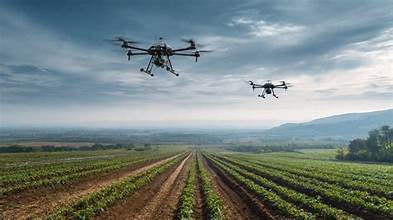
Farmers across affected regions are being forced to make difficult decisions. Many are reducing planting areas, switching to drought-resistant crops, or investing in costly irrigation solutions. However, these adaptations are not always enough to offset the scale of losses. Smaller farmers, in particular, are at risk of financial distress, as they often lack the resources to withstand prolonged adverse conditions.
The drought is also highlighting broader environmental and climate-related concerns. Experts point to changing weather patterns, rising temperatures, and reduced rainfall as contributing factors, suggesting that such extreme events may become more frequent in the future. This underscores the urgent need for sustainable water management practices, improved agricultural resilience, and long-term policy planning.
Government agencies and agricultural organizations are closely monitoring the situation and exploring relief measures, including financial aid and support programs for affected farmers. However, recovery will depend heavily on weather conditions in the coming months.
As the United States grapples with this संकट, the ripple effects are expected to extend beyond its borders, given the country’s significant role in global food production and exports. The ongoing drought serves as a stark reminder of the vulnerability of agriculture to climate extremes and the critical importance of proactive strategies to safeguard food security in an increasingly uncertain world.

 By
By