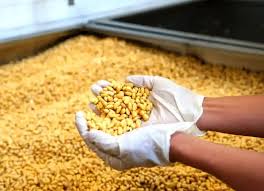
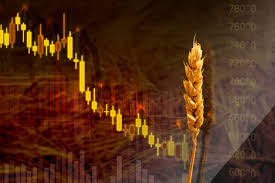
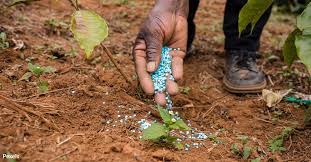
Turkey is grappling with one of its worst droughts in recent years, raising serious concerns over crop production and food security in the country. Prolonged water shortages, high temperatures, and below-average rainfall have placed immense stress on farmland and irrigation systems, affecting key crops such as wheat, barley, and vegetables.
According to the Ministry of Agriculture and Forestry, water reservoirs across many agricultural regions are at historically low levels, forcing farmers to reduce irrigation and delay sowing or harvesting activities. The lack of adequate water has already led to a decline in crop yields, with some areas reporting reductions of 20–30% compared to the previous year.
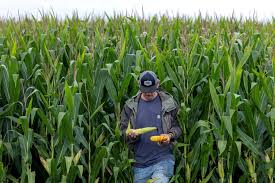
Farmers in central and southern provinces have expressed growing concern about the sustainability of their livelihoods. “Our crops are wilting because there isn’t enough water. If this continues, we may face serious losses this season,” said one wheat farmer in Konya province.
Experts warn that the drought could have wider economic implications, including rising food prices, increased import dependence, and stress on rural communities. Agricultural analysts note that Turkey’s dependence on irrigation for high-value crops makes the sector particularly vulnerable to climate-induced water shortages.
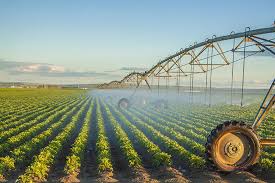
In response, the government has initiated emergency measures, including water rationing for irrigation, financial assistance to affected farmers, and investment in drought-resistant crop varieties. Authorities are also urging local administrations to implement efficient water management practices to preserve remaining resources and mitigate crop losses.
Climate scientists warn that such extreme drought events may become more frequent due to global warming and changing precipitation patterns. They stress the urgent need for long-term strategies such as modern irrigation techniques, soil moisture management, and resilient crop systems to safeguard Turkey’s agricultural output.
If the drought persists, analysts predict Turkey could face significant production shortfalls, impacting not only domestic supply but also regional grain and vegetable markets, where the country is a major supplier. The coming months will be crucial in determining whether emergency measures can stabilize yields and protect farmers from severe economic losses.
Turkey’s drought crisis highlights the growing vulnerability of agriculture to climate extremes, underscoring the importance of proactive policies to ensure food security and sustainable water management in the face of rising environmental challenges.

 By
By