Agriculture is undergoing a digital transformation, with smart farming and precision agriculture technologies increasingly shaping the way crops are grown, monitored, and managed. From smallholder farms to large-scale commercial operations, farmers are leveraging innovations such as IoT devices, satellite imaging, soil sensors, and machine learning to improve crop yields, enhance soil health, and promote environmental sustainability.
Recent research and pilot projects highlight the potential of these tools to revolutionize traditional farming practices. By collecting and analyzing real-time data on soil conditions, weather patterns, and crop growth, farmers can make precise decisions about irrigation, fertilization, and pest management. This level of precision not only boosts productivity but also reduces environmental impacts, conserving water and minimizing chemical runoff.
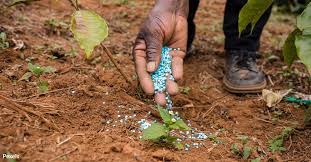
Global organizations, including the FAO, emphasize that digital farming technologies play a critical role in helping farmers adapt to climate change. Tools such as early-warning systems for extreme weather, fertilizer-matching platforms, and parametric insurance schemes are increasingly being adopted to reduce crop losses and stabilize rural livelihoods. These innovations are particularly important for smallholder farmers, who often face the greatest exposure to climate risks but historically have limited access to advanced agricultural inputs and knowledge.
“The integration of smart technologies into agriculture represents a paradigm shift,” said one FAO expert. “By enabling data-driven decision-making, we can strengthen food security, support rural communities, and make farming more resilient to climate pressures.”
While challenges remain including digital infrastructure gaps, affordability, and the need for farmer training experts agree that the benefits of precision agriculture are undeniable. Countries investing in agri-tech innovation are not only improving domestic food production but also enhancing their competitiveness in global agricultural markets.
As climate change, land degradation, and resource scarcity continue to threaten food systems, the adoption of digital and precision farming tools is emerging as a vital strategy. With technology at the forefront, agriculture is becoming smarter, more sustainable, and better equipped to meet the growing global demand for food.

 By
By