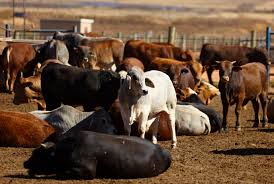
South Africa has rolled out its first domestically developed vaccine against foot-and-mouth disease (FMD), marking a major step in strengthening national biosecurity and protecting the country’s livestock industry.
The breakthrough is aimed at curbing recurring outbreaks that have threatened cattle herds, disrupted domestic trade, and affected export capacity. Foot-and-mouth disease is a highly contagious viral illness that primarily affects cloven-hoofed animals, including cattle, sheep, and goats, often leading to severe economic losses due to movement restrictions and international trade bans.
The locally produced vaccine is expected to reduce reliance on imported doses and improve rapid response capabilities during outbreaks. By enhancing vaccine availability and ensuring timely immunization campaigns, authorities aim to stabilize livestock production and safeguard rural livelihoods.
Agriculture and veterinary officials in South Africa emphasized that strengthening disease control infrastructure is critical for maintaining access to high-value export markets. FMD outbreaks in recent years have led to temporary suspensions of beef exports to several trading partners, underscoring the importance of effective containment strategies.
The new vaccine rollout also reflects broader efforts to modernize veterinary services, improve surveillance systems, and reinforce public-private partnerships in animal health management. Industry stakeholders have welcomed the move, noting that improved disease control enhances investor confidence and supports long-term sector growth.
With livestock contributing significantly to South Africa’s agricultural GDP and rural employment, the launch of a home-grown FMD vaccine represents a strategic milestone. Authorities expect the initiative to bolster herd immunity, protect export competitiveness, and strengthen resilience against future outbreaks in the cattle sector.


 By
By