Innovative biofertilizer technologies developed by Brazilian agronomist Mariangela Hungria are reshaping sustainable agriculture by reducing pollution, cutting input costs, and improving food security. Her work with nitrogen-fixing bacteria has demonstrated that biological solutions can successfully replace a significant share of chemical fertilizers while maintaining, and in some cases increasing, crop productivity.
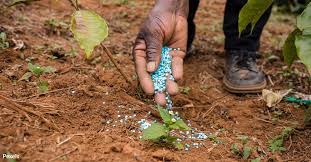
Nitrogen is essential for plant growth, but conventional nitrogen fertilizers are energy-intensive to produce and are a major source of greenhouse gas emissions and water pollution. Hungria’s research focuses on naturally occurring soil bacteria that fix atmospheric nitrogen and make it available to plants. By inoculating crops with these beneficial microorganisms, farmers can reduce their reliance on synthetic fertilizers without compromising yields.
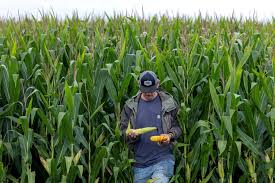
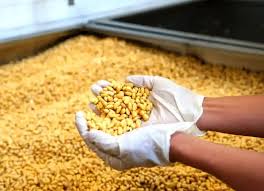
The technology has been widely adopted in Brazil, particularly in large-scale soybean farming, where biological nitrogen fixation has become a mainstream practice. As a result, millions of hectares are cultivated with significantly lower chemical fertilizer inputs, leading to reduced carbon emissions and improved soil health. Similar applications are now expanding to other major crops such as maize, wheat, and beans.
Beyond environmental benefits, the economic impact has been substantial. Farmers using biofertilizers typically experience lower production costs, making farming more profitable and resilient, especially in periods of high fertilizer prices. For small and medium farmers, this reduction in input dependency also improves access to sustainable practices that were previously cost-prohibitive.
The broader implications for global agriculture are significant. With rising concerns over climate change, fertilizer shortages, and food security, biofertilizer technologies offer a scalable solution that aligns productivity with environmental responsibility. Reduced nitrogen runoff also helps protect waterways and ecosystems, addressing one of agriculture’s long-standing environmental challenges.
Mariangela Hungria’s contributions have earned international recognition, highlighting the growing importance of science-led, nature-based solutions in modern farming. Her work underscores that sustainable agriculture does not require sacrificing yields but instead rethinking how crops interact with soil biology.
As countries look for ways to reduce emissions and ensure food availability for a growing population, biological nitrogen fixation is increasingly seen as a key component of future farming systems. The success of these techniques signals a shift toward more regenerative and climate-smart agricultural practices worldwide.


 By
By