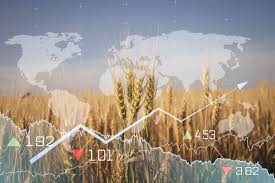
India’s major agricultural states are grappling with a triple crisis as extreme weather events and crop disease threaten rural livelihoods. Punjab, Maharashtra, and Madhya Pradesh have reported extensive crop losses due to floods, unseasonal monsoon rains, and a viral disease affecting soybean crops, raising concerns about food security and farm incomes.
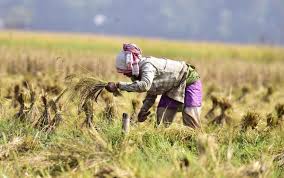
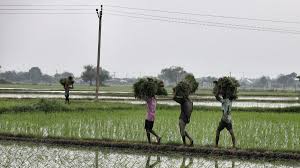
In Punjab, heavy rains and flooding have damaged standing crops, particularly wheat and rice, while delayed monsoons in Maharashtra have affected soybean and cotton fields. Meanwhile, Madhya Pradesh, one of India’s largest soybean producers, is battling a viral outbreak that has stunted plant growth and reduced yields in several districts.
Farmers are facing mounting challenges as climate extremes exacerbate traditional agricultural risks. Local authorities have reported that inadequate drainage, erratic rainfall patterns, and high pest incidence are compounding the damage, leaving farmers struggling to recover from repeated losses.
“This is one of the most challenging seasons in recent memory,” said a state agriculture official. “Farmers are facing not just a loss of income, but also long-term impacts on soil health and crop productivity.”
The triple threat underscores the vulnerability of India’s food-producing regions to climate change and emerging plant diseases. Experts say that strengthening early warning systems, promoting resilient crop varieties, and expanding insurance coverage are essential to mitigate risks in the future.
As India strives to maintain agricultural output to feed its growing population, the ongoing crisis highlights the urgent need for climate-adaptive farming strategies and robust support mechanisms for farmers in high-risk zones. Without swift interventions, these heartlands could see prolonged economic and food security impacts in the coming months.


 By
By