U.S. Farmers Warn $12 Billion Aid Falls Short as Trade Disputes Continue to Hurt Agriculture
U.S. farmers are voicing serious concerns that a $12 billion federal aid package announced during the Trump administration is not enough to offset the long-term economic damage caused by trade disruptions and tariffs. While the assistance provided temporary financial relief, agricultural leaders say it failed to address deeper structural challenges facing the farm sector.
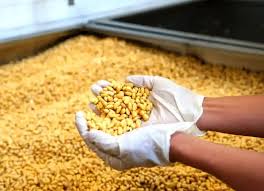
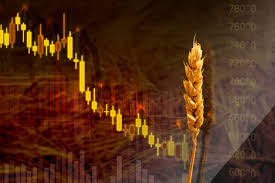
The support package was introduced amid heightened trade tensions, particularly between the United States and China. These disputes led to steep tariffs on agricultural exports, sharply reducing overseas demand for key commodities. Soybean farmers were among the most affected, as China had been the largest buyer of U.S. soybeans before the trade conflict. Following the tariffs, prices dropped significantly, cutting into farm incomes across major producing states.
Despite government payments, many farmers continue to experience financial stress. Farm groups report rising bankruptcy rates, growing debt burdens, and limited cash flow, especially among small and mid-sized operations. They argue that compensation payments cannot fully replace lost markets or restore confidence in long-term planning.
Producers also point to ongoing uncertainty around trade policy as a major challenge. Farming decisions are made well in advance, and unpredictable export conditions make it difficult to manage risk and invest in equipment, land, or technology. As a result, some farmers have delayed expansion plans or reduced production.
Farm leaders are urging policymakers to move beyond short-term aid and focus on sustainable solutions. Rebuilding international trade relationships, expanding export markets, and ensuring stable pricing mechanisms are seen as critical steps to restoring the sector’s health.
As global competition increases and production costs remain high, farmers emphasize that lasting trade stability not temporary financial assistance—is essential to securing the future of U.S. agriculture.

 By
By