• Home
  • AGRI STORY
  • U.S. Unveils $12 Billion Aid Package for Farmers Affected by Trade Disruptions
Image

U.S. Unveils $12 Billion Aid Package for Farmers Affected by Trade Disruptions

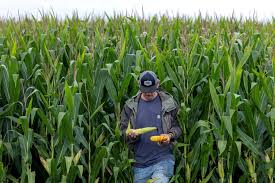
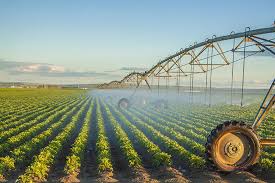
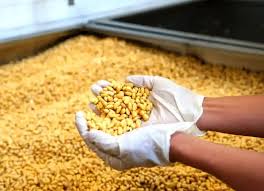
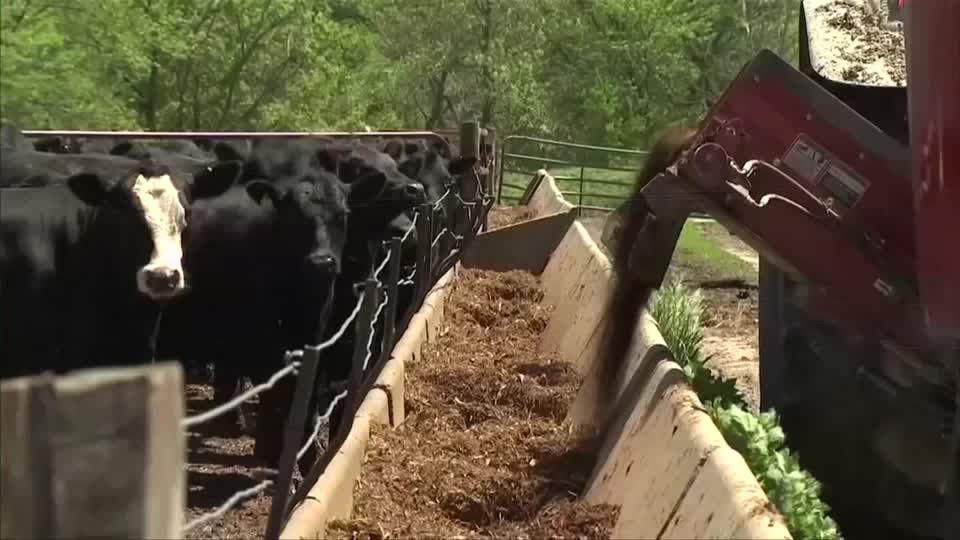
The U.S. government has announced a $12 billion aid package aimed at supporting farmers facing economic pressures from trade disruptions and rising production costs. The program targets row crop producers, including corn, soybeans, and wheat farmers, who have been particularly affected by tariffs, export restrictions, and fluctuating global demand.

Agriculture Secretary emphasized that the assistance is designed to stabilize farm incomes, ensure the continued viability of U.S. agriculture, and help farmers manage the uncertainty created by ongoing trade conflicts with key partners. The package includes direct payments, low-interest loans, and funding for risk management programs, allowing farmers to cover operational costs and recover from revenue shortfalls.

The announcement comes amid a challenging period for U.S. agriculture. Trade tensions with major markets, including China and the European Union, have limited export opportunities for several staple crops, while rising input costs—such as fertilizers, fuel, and labor—have increased financial pressures on farmers. Analysts note that without targeted government support, many producers would face severe liquidity issues, potentially affecting planting decisions and long-term sustainability.

Farm groups have largely welcomed the relief package, describing it as a necessary step to preserve rural livelihoods and prevent further economic strain on farming communities. However, some advocates have called for broader reforms, including measures to enhance market access, strengthen crop insurance programs, and promote sustainable farming practices that can reduce dependence on volatile global markets.

Economists predict that the $12 billion package could provide short-term stability for row crop markets and reassure investors and lenders about the sector’s resilience. Officials stress that the aid is part of a broader strategy to maintain U.S. competitiveness in global agriculture while addressing the immediate challenges posed by international trade uncertainties.

As implementation begins, attention will focus on the speed and efficiency of distribution, the eligibility criteria for aid, and how the measures influence planting decisions and market dynamics in the upcoming growing season.

Releated Posts

Sustainable Farming Practices Gain Momentum Across Global Agriculture

Efforts to promote sustainability in agriculture are gaining significant momentum worldwide, as farmers increasingly adopt climate-smart farming practices…

ByByadmin Mar 5, 2026

U.S. Agricultural Trade Strategy Shifts Toward Asia’s Expanding Markets

Global agricultural trade patterns are increasingly focusing on Asian markets as demand for food and farm commodities continues…

ByByadmin Mar 5, 2026

Labour Shortages Accelerate Mechanisation in Global Horticulture Sector

The global horticulture industry is increasingly turning toward mechanisation and technological innovation as labour shortages continue to affect…

ByByadmin Mar 5, 2026

Global Agriculture Sector Expected to Stabilise in 2026, Experts Predict

The global agriculture sector is expected to move toward greater stability in 2026, according to market analysts and…

ByByadmin Mar 5, 2026

Farmer Confidence Shows Modest Improvement, but Future Outlook Remains Uncertain

Farmer sentiment in the United States recorded a slight improvement in February, according to the latest data from…

ByByadmin Mar 5, 2026

Global Soybean Supply Tightens in 2026 as Demand Rises, Brazil Set for Record Harvest

Global soybean markets are expected to face tighter supplies in 2026 as international demand continues to increase, putting…

ByByadmin Mar 5, 2026

Global Demand for Organic Food Continues to Rise, Experts Say at Biofach Trade Fair

Global demand for organic food products continues to grow steadily, according to experts speaking at the internationally renowned…

ByByadmin Mar 5, 2026

Global Food Prices Fall for Fifth Consecutive Month: FAO Report

International food commodity prices continued their downward trend in early 2026, marking the fifth consecutive monthly decline, according…

ByByadmin Mar 5, 2026

Geopolitical Tensions Threaten Global Fertilizer Supply, Raising Concerns for Farmers

Growing geopolitical tensions in the Middle East are creating uncertainty in the global fertilizer market, raising concerns about…

ByByadmin Mar 5, 2026

Leave a Reply

Your email address will not be published. Required fields are marked *

error: Content is protected !!
Scroll to Top