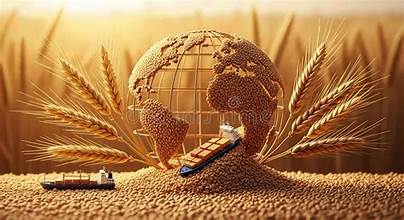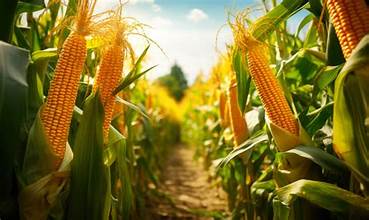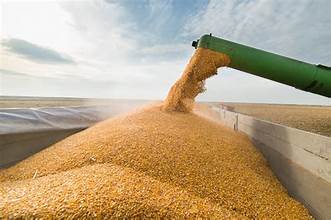
Ukraine’s agricultural outlook for 2026 has taken a hit, as wheat and corn production estimates have been revised downward due to ongoing geopolitical tensions and adverse weather conditions. The reduction is expected to have significant implications for global grain markets, given Ukraine’s key role as a major exporter.
The conflict situation continues to disrupt farming activities across several regions, limiting access to fields, reducing input availability, and affecting overall crop management. In addition, unpredictable weather patterns—including irregular rainfall and temperature fluctuations—have further impacted crop development, leading to lower yield expectations.
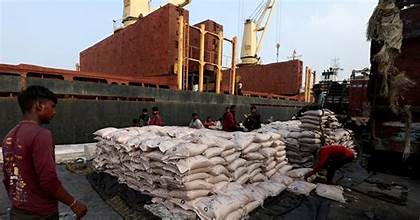
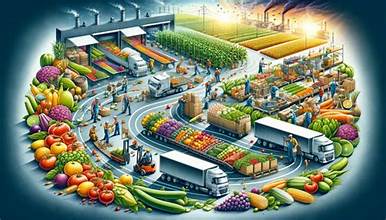
Ukraine has traditionally been one of the world’s leading suppliers of wheat and corn, particularly to regions in Africa, the Middle East, and Asia. Any decline in its production directly affects global supply chains, tightening availability and putting upward pressure on prices.
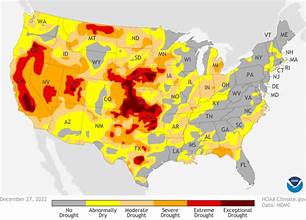
Market analysts warn that the reduced output could contribute to increased volatility in global grain prices, especially at a time when multiple agricultural regions are facing challenges. With the United States dealing with drought conditions and other countries experiencing climate-related disruptions, the global grain balance is becoming increasingly fragile.
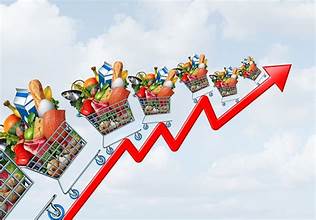
The situation also raises concerns for food-importing nations that depend heavily on Ukrainian exports. Limited supply could force these countries to seek alternative sources, often at higher costs, thereby increasing food inflation and straining national budgets.
Global organizations, including the Food and Agriculture Organization (FAO), are closely monitoring developments. Experts emphasize the need for coordinated international efforts to stabilize markets and ensure food security, particularly for vulnerable populations.
Despite the challenges, there are ongoing efforts within Ukraine to sustain agricultural production under difficult circumstances. However, uncertainties remain high, and the final harvest figures will depend on both the evolving geopolitical situation and weather conditions in the coming months.
The downward revision in Ukraine’s crop estimates underscores the growing interconnectedness of global agriculture, where regional disruptions can quickly translate into worldwide supply concerns.

 By
By