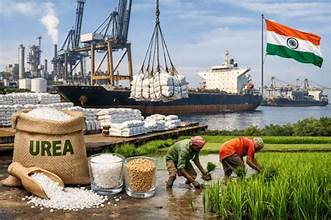
India has announced plans to import 2.5 million tonnes of urea, signaling growing concerns over tightening global fertilizer supplies and rising input costs. The move comes at a time when geopolitical tensions and higher energy prices are disrupting the availability and affordability of key agricultural inputs worldwide.
As one of the largest consumers of urea, India relies heavily on both domestic production and imports to meet the nutrient requirements of its vast agricultural sector. Urea, being a critical nitrogen-based fertilizer, plays a vital role in boosting crop yields, particularly for staple crops such as rice and wheat.
The large-scale import tender reflects the government’s proactive approach to ensuring adequate fertilizer availability ahead of key cropping seasons. With global markets facing supply constraints—largely due to high natural gas prices (a primary input for urea production) and ongoing geopolitical disruptions—securing timely imports has become essential.
Industry experts note that fertilizer prices have remained volatile in recent months, increasing the cost burden on farmers. By issuing a bulk tender, the government aims to stabilize domestic supply and prevent price spikes that could impact agricultural productivity and food inflation.
The tender also highlights broader concerns about global fertilizer supply chains. Several major exporting countries have faced production cuts or export restrictions, further tightening availability in international markets. As a result, importing nations like India are competing more aggressively to secure supplies.
Ensuring sufficient urea availability is particularly important as India prepares for upcoming planting cycles. Any shortage during peak demand periods could adversely affect crop yields and farm incomes. Therefore, timely procurement and efficient distribution will be critical.
Overall, India’s decision to import such a large quantity of urea underscores the increasing pressure on global fertilizer markets and the need for strategic planning to safeguard agricultural output in an uncertain global environment.


 By
By