

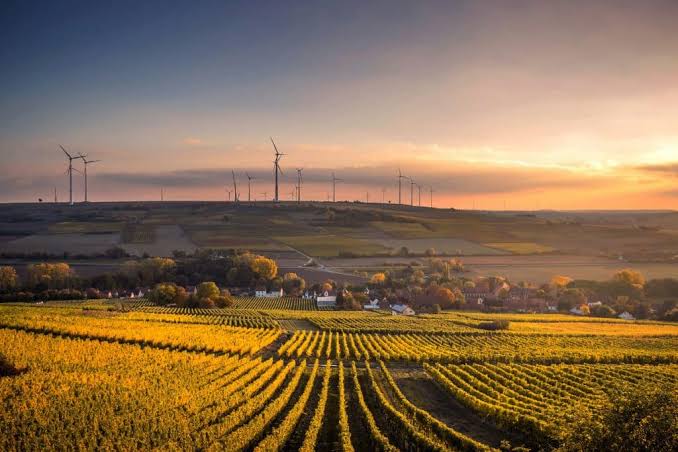
Biological agriculture and climate-smart farming are gaining increasing attention across the global agricultural sector as governments, researchers, and industry leaders seek sustainable solutions to improve food production while addressing the challenges of climate change. Experts believe that biological crop protection, regenerative agriculture, biogas production, and climate-resilient farming technologies will play a central role in building stronger and more sustainable food systems in the years ahead.
With rising temperatures, changing rainfall patterns, and more frequent extreme weather events affecting agricultural productivity, the need for environmentally friendly farming practices has become increasingly important. Industry specialists say that combining modern agricultural innovation with natural biological processes can help farmers improve crop yields, reduce environmental impact, and strengthen resilience against climate-related risks.
One of the fastest-growing areas is biological crop protection, which uses naturally occurring microorganisms, beneficial insects, and plant-based products to manage pests and diseases. Unlike conventional chemical pesticides, biological solutions aim to protect crops while preserving biodiversity, improving soil health, and reducing chemical residues in the environment. Advances in biotechnology are making these products more effective and accessible for farmers across different cropping systems.
Another key area of growth is regenerative agriculture, a farming approach that focuses on restoring soil health and improving ecosystem functions. Practices such as cover cropping, reduced tillage, crop rotation, integrated livestock management, and organic matter recycling help increase soil fertility, enhance water retention, and promote carbon sequestration. Healthy soils not only improve crop productivity but also make farms more resilient to droughts and heavy rainfall.
Experts are also highlighting the expanding role of biogas technology in sustainable agriculture. Agricultural residues, livestock manure, and organic waste can be converted into renewable energy through biogas plants, providing clean fuel while reducing greenhouse gas emissions. The remaining organic slurry serves as a nutrient-rich biofertilizer, supporting circular farming systems and lowering dependence on synthetic fertilizers.
Climate-smart farming technologies are becoming another major focus for the agricultural sector. Precision irrigation, weather-based advisory systems, remote sensing, artificial intelligence, drones, satellite monitoring, and digital farm management tools are helping farmers make informed decisions about irrigation, fertilizer application, pest control, and harvesting. These technologies improve resource efficiency while reducing production costs and environmental impact.
Industry analysts note that biological and climate-smart farming are increasingly being integrated rather than treated as separate approaches. Combining improved crop genetics, biological inputs, precision agriculture, and sustainable land management can help farmers maintain productivity while adapting to changing climatic conditions.
Governments and international organizations are encouraging greater investment in research, farmer training, and technology adoption to accelerate the transition toward sustainable agriculture. Financial incentives, extension services, and public-private partnerships are also supporting the development and commercialization of innovative agricultural solutions.
For farmers, adopting these practices offers multiple benefits beyond environmental sustainability. Improved soil fertility, efficient water use, reduced input costs, and enhanced resilience to weather extremes can contribute to more stable farm incomes over the long term. At the same time, consumers are increasingly demanding food produced through environmentally responsible farming methods, creating new market opportunities for sustainably grown agricultural products.
As global food demand continues to increase alongside the challenges posed by climate change, experts agree that biological agriculture and climate-smart farming will become essential components of future food systems. By integrating scientific innovation with sustainable farming practices, the agricultural sector can improve productivity, conserve natural resources, and strengthen food security while supporting the long-term well-being of farmers and the environment.


 By
By











