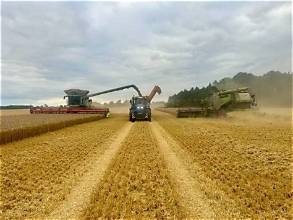
Weather conditions have played a decisive role in agricultural production across parts of the United States during the 2026 growing season, leaving farmers with mixed results across major crops. In North Carolina, severe drought and high summer temperatures created particularly challenging conditions for corn growers, while cotton, soybeans and peanuts reportedly performed comparatively better.
The contrasting outcomes highlight how differences in crop characteristics, rainfall patterns and seasonal temperatures can influence agricultural productivity. As the harvest progresses, farmers are assessing crop performance and preparing for the next planting season amid concerns about soil moisture and weather uncertainty.
Severe Drought and Heat Affect North Carolina Corn
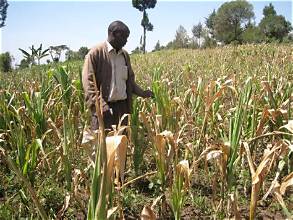
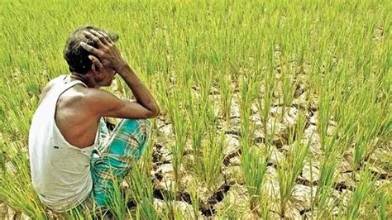
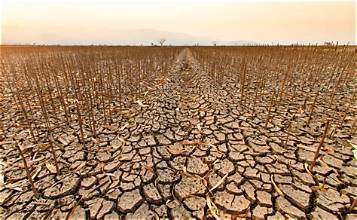
Corn production in North Carolina faced considerable pressure during the 2026 growing season. Prolonged dry conditions and high summer temperatures limited the availability of moisture during important stages of crop development.
Corn requires sufficient water during critical growth phases, particularly around flowering, pollination and grain filling. When drought coincides with high temperatures, plants can experience moisture stress, which may reduce kernel development and final yields.
High temperatures can also accelerate crop development and increase water demand. Where rainfall is insufficient, these conditions may weaken plant growth and reduce the potential for grain production.
The extent of the impact can vary considerably between farms depending on soil type, planting dates, irrigation access and the timing of rainfall. Fields with better moisture retention or access to supplemental irrigation may perform differently from those relying entirely on rainfall.
For farmers affected by the dry conditions, lower yields can create financial challenges through reduced marketable production and higher costs associated with managing crops under stress.
Cotton, Soybeans and Peanuts Show Comparatively Better Performance
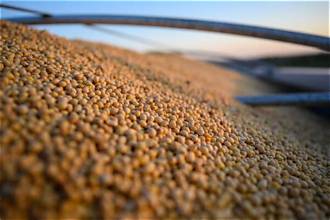
While corn faced significant weather-related difficulties, cotton, soybeans and peanuts reportedly delivered comparatively better results in North Carolina.
However, stronger relative performance does not necessarily mean that these crops escaped all the effects of drought and heat. Crop responses depend on the timing and intensity of weather stress, local growing conditions and the availability of soil moisture.
Cotton production can be influenced by heat and water shortages, particularly during flowering and boll development. Soybeans also require adequate moisture during reproductive growth, while peanuts depend on suitable soil moisture and temperature conditions for pod development.
Differences in crop growth patterns and the timing of rainfall may help explain why some crops performed better than others during the same season.
For agricultural producers, these results reinforce the importance of evaluating crop suitability, diversifying production where practical and selecting varieties adapted to local environmental conditions.
Soil Moisture Becomes a Priority for Winter Wheat
Following the summer growing season, farmers are turning their attention to winter wheat planting. Adequate soil moisture will be an important factor in establishing the next crop, particularly in areas where drought has reduced water availability in the soil profile.
Winter wheat generally benefits from sufficient moisture during germination and early establishment. Dry seedbeds can delay planting, produce uneven emergence and weaken early plant development.
Farmers may need to assess field moisture conditions before deciding when to plant. Depending on local circumstances, they may also consider conservation practices that reduce moisture loss, including maintaining crop residue, limiting unnecessary soil disturbance and managing fields to improve water retention.
Planting decisions will depend on rainfall, soil conditions, regional recommendations and the expected weather outlook. Delaying planting may be appropriate in some situations, but prolonged delays can also create challenges for crop establishment and development.
Weather Risk Remains a Major Agricultural Concern
The 2026 growing season illustrates the continuing influence of weather variability on US agriculture. Drought and heat can affect crop yields, farm income, feed supplies and commodity availability, while differences in regional conditions can produce contrasting outcomes across crops.
Farmers increasingly rely on weather monitoring, soil-moisture assessments, crop insurance, improved seed varieties and water-management practices to reduce exposure to extreme conditions. Nevertheless, the effectiveness of these measures depends on local resources and the severity of the weather event.
Looking ahead, rainfall and soil moisture will be important factors shaping winter wheat establishment and the outlook for the next agricultural season. Producers will be watching closely for opportunities to replenish depleted soil moisture and improve planting conditions.
The experience in North Carolina also highlights the value of crop diversification and region-specific agricultural planning. As climate variability continues to influence farming decisions, timely weather information and practical soil-management strategies will remain essential tools for protecting productivity and farm resilience.

 By