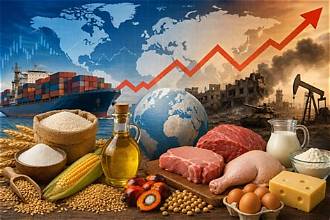
Global food and fertilizer markets are facing increasing pressure from geopolitical conflicts, supply chain disruptions and climate-related uncertainties, raising concerns about agricultural production costs and food affordability. According to the provided outlook, the World Bank projects that food commodity prices could increase by more than 10% in 2026 and rise by over 7% in 2027. Fertilizer prices are also expected to climb by approximately 14% in 2026, potentially putting additional financial pressure on farmers across the world.
The projected increases highlight the close relationship between international commodity markets, agricultural input costs and food security. As farming systems depend on reliable supplies of fertilizers, fuel, energy and other essential inputs, price fluctuations in global markets can have direct consequences for farmers, food processors, traders and consumers.
Fertilizer Costs Could Put Pressure on Farm Incomes
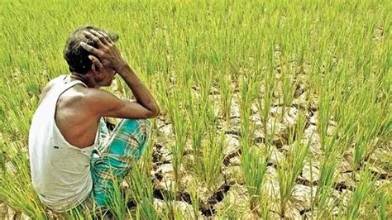
Fertilizers are essential for maintaining soil fertility and achieving higher crop yields. However, when fertilizer prices rise, farmers may face difficult decisions about how much to spend on crop nutrition. Higher input costs can increase the overall cost of cultivation, particularly for small and marginal farmers who operate with limited financial resources.
If fertilizer prices rise faster than farm-gate prices, agricultural profitability could come under pressure. Some farmers may respond by reducing fertilizer applications, changing cropping patterns or seeking less expensive alternatives. Such adjustments, if not managed carefully, could affect crop productivity and the long-term health of agricultural soils.
The impact is likely to vary across countries and farming systems. Nations that rely heavily on imported fertilizers may be particularly vulnerable to international price movements, currency fluctuations and transportation costs.
Geopolitical Conflicts and Shipping Disruptions Add Uncertainty
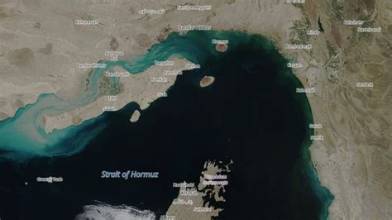
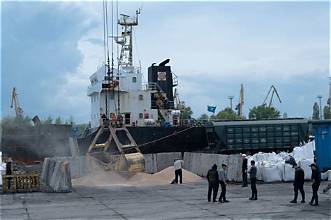
International conflicts and disruptions to major shipping routes can increase the cost of moving agricultural commodities and essential farm inputs. Delays in transportation, higher freight charges and uncertainty over supplies can affect the availability and pricing of fertilizers, grains, edible oils and other agricultural products.
Energy markets also play an important role. Natural gas is a major feedstock for nitrogen fertilizer production, while fuel prices influence farm machinery operations, irrigation, processing and transportation. Consequently, higher energy costs can spread through the agricultural value chain, affecting production expenses and retail food prices.
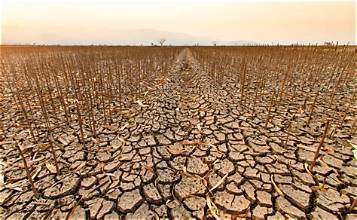
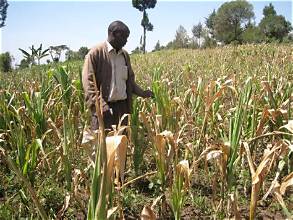
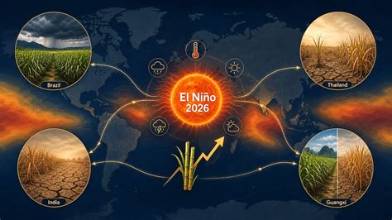
Climate-related risks create another layer of uncertainty. Droughts, floods, heatwaves and irregular rainfall can damage crops, reduce harvests and disrupt supply. When adverse weather affects major producing regions, reduced output can place upward pressure on international food markets.
Implications for Farmers and Consumers
Rising food commodity prices can have mixed effects on agricultural producers. Farmers who obtain better selling prices may benefit, provided the increase exceeds the additional costs of production. However, producers facing expensive fertilizers, fuel, seeds and transportation may see their profit margins shrink.
For consumers, higher commodity prices can translate into more expensive staple foods and processed products. Low-income households are particularly exposed because food accounts for a substantial share of their expenditure. Governments may therefore face growing pressure to protect vulnerable communities while maintaining stable agricultural supply chains.
Strengthening Agricultural Resilience
Managing these risks requires coordinated action by governments, agricultural institutions, businesses and farming communities. Improving fertilizer-use efficiency, promoting soil testing, encouraging balanced nutrient management and expanding access to reliable market information can help farmers control production costs.
Investment in climate-resilient agriculture, improved irrigation, efficient logistics and diversified fertilizer supplies can also reduce vulnerability to external shocks. Transparent trade policies and timely market monitoring are important for limiting uncertainty and preventing supply disruptions from escalating.
The projected rise in food and fertilizer prices underlines the importance of resilient agricultural systems. For farmers, policymakers and consumers alike, the challenge will be to maintain productive farming, manage input expenses and safeguard access to affordable food amid an increasingly uncertain global market.

 By