Yara Africa & Asia continues to strengthen its regional impact, with recent progress highlighted in Tanzania and Rwanda, where teams are working closely with farmers and local partners to build more resilient and productive food systems. The company’s initiatives in both countries reflect its broader commitment to supporting sustainable agriculture and empowering farming communities through knowledge transfer, improved access to inputs, and capacity building.
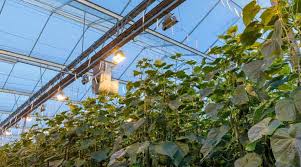
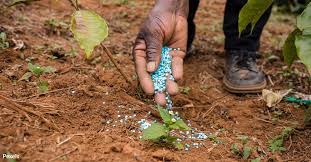
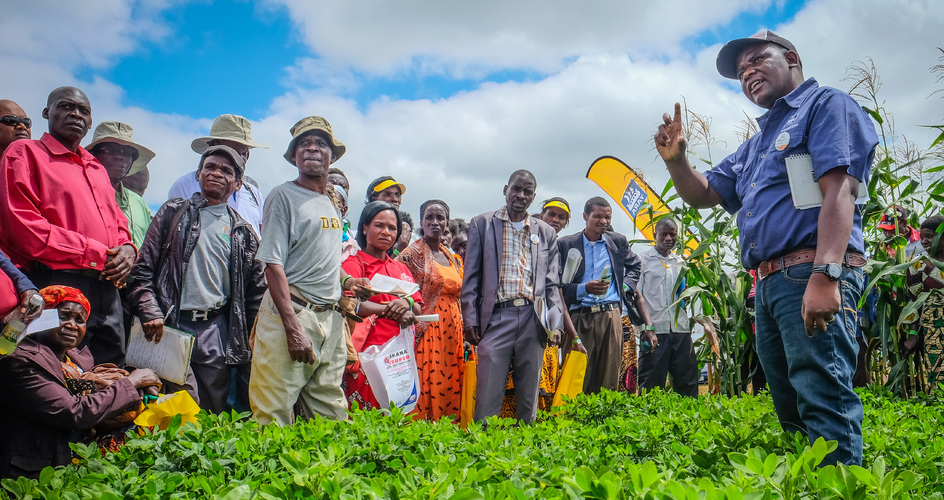
In Tanzania, the YaraRega™ program is playing a pivotal role in supporting horticulture farmers with reliable, season-long crop nutrition tailored to modern production requirements. Through an integrated approach that includes demonstration plots, agronomic trials, extensive farmer trainings, and collaborations with local organizations, Yara is expanding access to critical agricultural knowledge and technology. These initiatives are helping growers make more informed and productive decisions, ultimately improving yields and strengthening agricultural resilience across the region. The program’s focus on practical, field-level engagement ensures that farmers can directly observe the benefits of enhanced fertilization strategies and adopt best practices with confidence.
Meanwhile, in Rwanda, Yara is witnessing the transformative effects of farmer-led entrepreneurship. Through agronomic training and local capacity-building programs, farmers are not only improving their own production practices but are also transitioning into agro-dealers who serve their broader communities. This shift is significantly strengthening last-mile distribution networks by improving product availability, enhancing access to crop nutrition solutions, and fostering deeper trust at the grassroots level. By empowering farmers to become service providers within their local markets, Yara is helping to create a more inclusive and sustainable agricultural value chain.
Across both Tanzania and Rwanda, a unifying principle guides Yara’s work: strengthening farmers strengthens the entire agricultural ecosystem. Whether through improved access to reliable crop nutrition or the nurturing of community-based entrepreneurship, the company’s efforts underscore the importance of farmer empowerment in building resilient food systems capable of meeting current and future challenges.

 By
By