The outlook for the 2026 crop season is already taking shape as drought conditions and shifting market dynamics begin to influence planting decisions, particularly in the U.S. state of Texas. Farmers across the region are facing early signs of moisture stress, raising concerns about potential impacts on major crops such as cotton, corn, and soybeans.
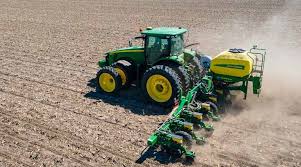
Weather experts point to the influence of La Niña, a climate pattern known for bringing warmer and drier conditions to parts of the southern United States. Reduced winter rainfall has left soil moisture levels below normal in several agricultural areas of Texas, creating uncertainty just weeks ahead of spring planting. If dry conditions persist, farmers may be forced to adjust acreage or delay planting, which could affect overall production.
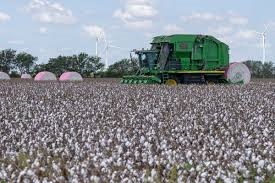
Texas plays a crucial role in U.S. agriculture, especially in cotton production, where it accounts for a significant share of national output. Any reduction in planted area or yields could tighten supply not only domestically but also in global markets. Corn and soybean sectors are also closely watching developments, as weather-related disruptions often influence futures prices and trade flows.
Market analysts note that uncertainty around weather is already being factored into commodity markets. Expectations of lower production could support prices, while higher input costs and risk management concerns may influence farmer decisions in the months ahead. Some producers are exploring drought-tolerant seed varieties, alternative crops, or expanded irrigation where possible to manage risk.
Agricultural groups emphasize the importance of timely weather updates and access to financial support tools as farmers prepare for the season. Insurance programs and conservation practices are expected to play a key role in helping producers navigate ongoing climate challenges.
As spring approaches, the combination of drought conditions, climate patterns, and market signals will be closely monitored. The coming weeks are likely to be critical in determining how the 2026 crop season unfolds and how supply trends shape agricultural markets worldwide.

 By
By