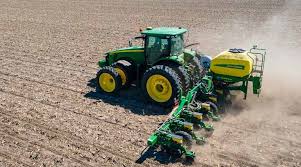
As American farmers prepare for the 2026 spring planting season, acreage allocation decisions are increasingly being shaped by relative crop profitability, input cost structures, and global demand dynamics. Early forecasts suggest that U.S. soybean acreage could rise by approximately 6 percent, while planted areas for corn, rice, and cotton are expected to contract.
The anticipated expansion in soybean acreage reflects comparatively stronger margin prospects. Lower fertilizer requirements—particularly nitrogen—give soybeans a cost advantage over corn in a high-input-price environment. Additionally, steady global demand for soybean meal and oil, including biofuel-linked consumption, is supporting planting incentives.
In contrast, corn acreage is projected to decline due to tighter margins. Elevated fertilizer costs, particularly for nitrogen-based inputs, and softer price expectations are weighing on planting decisions. Although corn remains a cornerstone of U.S. agriculture, its relative profitability compared to soybeans appears less attractive for 2026.
Rice and cotton areas are also forecast to shrink, influenced by weaker export demand and competitive pressures in international markets. Cotton, in particular, faces headwinds from subdued textile demand and price volatility. Rice producers are navigating both water availability concerns and shifting trade flows.
The acreage adjustments will have broader implications for global commodity balances. The United States, one of the world’s leading exporters of corn and soybeans, plays a pivotal role in shaping international supply. A reduction in corn acreage could tighten global feed grain availability, while expanded soybean plantings may exert downward pressure on oilseed prices if yields remain favorable.
Market participants are closely watching upcoming projections from the United States Department of Agriculture (USDA), particularly the Prospective Plantings and World Agricultural Supply and Demand Estimates reports, which will provide clearer signals on acreage intentions and supply outlooks.
Weather conditions during the planting window will also be critical. Soil moisture levels across key Midwest states and early-season temperature trends could influence final planting decisions and yield potential.
Overall, the 2026 planting outlook underscores how U.S. producers are responding pragmatically to evolving economic signals. The recalibration of crop mix reflects disciplined risk management at the farm level, with consequential effects for global agricultural trade and price formation in the months ahead.


 By
By