

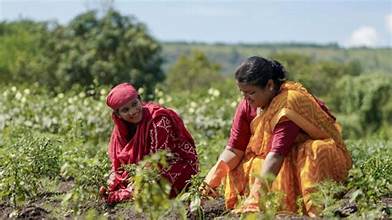
Women farmers around the world are receiving unprecedented recognition as governments, international organizations, and development agencies launch new programs aimed at strengthening their role in agriculture. The growing focus on gender equality in farming comes as the global community acknowledges the critical contribution women make to food production, rural livelihoods, and agricultural sustainability.
The year 2026 has been designated as the International Year of the Woman Farmer by the Food and Agriculture Organization (FAO), highlighting the need to address longstanding barriers that limit women’s participation and success in the agricultural sector. The initiative aims to promote policies and investments that improve women’s access to land, financial services, technology, training, and agricultural markets.
Across many developing and developed countries, women play a central role in farming activities, including crop cultivation, livestock management, food processing, and household nutrition. Despite their significant contributions, women often face challenges that restrict their productivity and economic opportunities. Limited ownership of agricultural land, inadequate access to credit, lower participation in decision-making, and reduced availability of technical training have historically hindered their progress.
In response, numerous countries are introducing programs designed to create a more inclusive agricultural environment. New land rights initiatives are helping women secure legal ownership and control of farmland, providing greater stability and encouraging long-term investment in agricultural production. Financial institutions are also expanding credit facilities and specialized loan programs tailored to women farmers, enabling them to purchase quality seeds, fertilizers, machinery, and other essential inputs.
Technology is another major area of focus. Governments and agricultural organizations are increasing efforts to provide women with access to digital farming tools, mobile-based advisory services, climate information systems, and precision agriculture technologies. These innovations can help improve productivity, reduce risks, and enhance farm management practices.
Agricultural training programs are being expanded to ensure women have access to the latest farming knowledge and skills. Extension services in many regions are introducing women-focused workshops covering sustainable farming methods, climate-resilient agriculture, pest management, irrigation practices, and agribusiness development. Such initiatives are expected to improve both farm productivity and household incomes.
Experts note that empowering women farmers can generate benefits that extend beyond agriculture. Studies have shown that when women have greater access to resources and income, families often experience improved nutrition, better education outcomes, and stronger community development. Increased participation of women in agricultural value chains can also contribute to broader economic growth and food security.
The recognition of women farmers comes at a time when global agriculture faces mounting challenges, including climate change, resource constraints, and rising food demand. Policymakers believe that strengthening the role of women in agriculture will be essential for building resilient food systems capable of meeting future needs.
International organizations are encouraging continued collaboration between governments, private-sector partners, research institutions, and rural communities to ensure that women farmers receive equal opportunities and support. By removing barriers and promoting inclusive agricultural development, stakeholders hope to unlock the full potential of millions of women who contribute daily to feeding the world’s growing population.
As the International Year of the Woman Farmer unfolds, the global spotlight on women in agriculture is expected to drive further reforms and investments, helping create a more equitable, productive, and sustainable future for farming communities worldwide.


 By
By











