

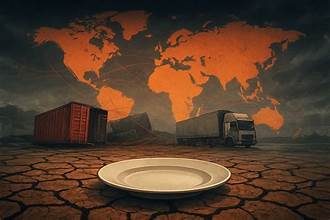
Global food prices continue to face upward pressure as rising energy costs, weather-related production risks, and ongoing uncertainty in fertilizer markets influence agricultural commodity prices around the world. According to recent trends reflected in the FAO Food Price Index, cereals and vegetable oils remain among the commodities experiencing the strongest price pressures, raising concerns about food affordability and inflation in many countries.
The global food market has been navigating a complex combination of economic and environmental challenges. Higher energy prices have increased production, processing, and transportation costs throughout agricultural supply chains. Fuel is a critical input for farm machinery, irrigation systems, fertilizer manufacturing, food processing facilities, and international shipping. As a result, elevated energy costs are being reflected in the prices of many agricultural commodities.
Cereal markets, including wheat, maize, and rice, have remained particularly sensitive to supply concerns. Adverse weather conditions in several major producing regions have created uncertainty regarding crop yields and harvest prospects. Droughts, heatwaves, excessive rainfall, and other extreme weather events continue to affect agricultural production across different parts of the world, reducing market confidence and contributing to price volatility.
Vegetable oil markets are also experiencing sustained pressure. Demand for soybean oil, palm oil, sunflower oil, and rapeseed oil remains strong, supported by food consumption and expanding biofuel industries. In many countries, renewable energy policies have increased the use of vegetable oils in biodiesel production, creating additional competition between food and energy markets.
Another major factor affecting food prices is the fertilizer market. Fertilizers are essential for maintaining crop yields and global food production. However, uncertainty surrounding fertilizer supplies and pricing continues to concern farmers and policymakers. Fluctuations in fertilizer availability can influence planting decisions, production costs, and future crop output, ultimately affecting food prices for consumers.
Agricultural economists note that fertilizer costs remain significantly higher than historical averages in many regions. Farmers facing elevated input expenses may reduce fertilizer application rates or adjust cropping plans, potentially affecting productivity. This situation is particularly challenging for small-scale farmers in developing countries, where access to affordable agricultural inputs can be limited.
The impact of higher food prices is being felt most strongly in import-dependent nations and low-income households. Rising prices for staple foods can increase financial pressure on consumers and contribute to food insecurity, especially in regions already facing economic difficulties. International organizations continue to emphasize the importance of strengthening food supply chains and improving market stability to protect vulnerable populations.
Market analysts expect food prices to remain sensitive to developments in energy markets, weather conditions, and fertilizer trade throughout the coming months. Any major disruption affecting crop production or agricultural input supplies could lead to additional price fluctuations.
Despite these challenges, investments in agricultural innovation, climate-resilient farming practices, and improved supply chain infrastructure are helping strengthen long-term food system resilience. Governments and international agencies are encouraging measures that support sustainable production while ensuring stable access to essential food commodities.
As global demand for food continues to grow, maintaining balanced agricultural markets and reliable supplies will remain critical. The interaction between energy prices, fertilizer availability, and weather conditions is expected to play a key role in shaping global food price trends during the remainder of 2026 and beyond.


 By
By











